What eDNA revealed
The journey to Bajos del Norte tested the biologists' equipment and resolve. The remote reef system, accessible only during a narrow summer window when weather conditions permit safe passage, had deterred systematic exploration for decades.
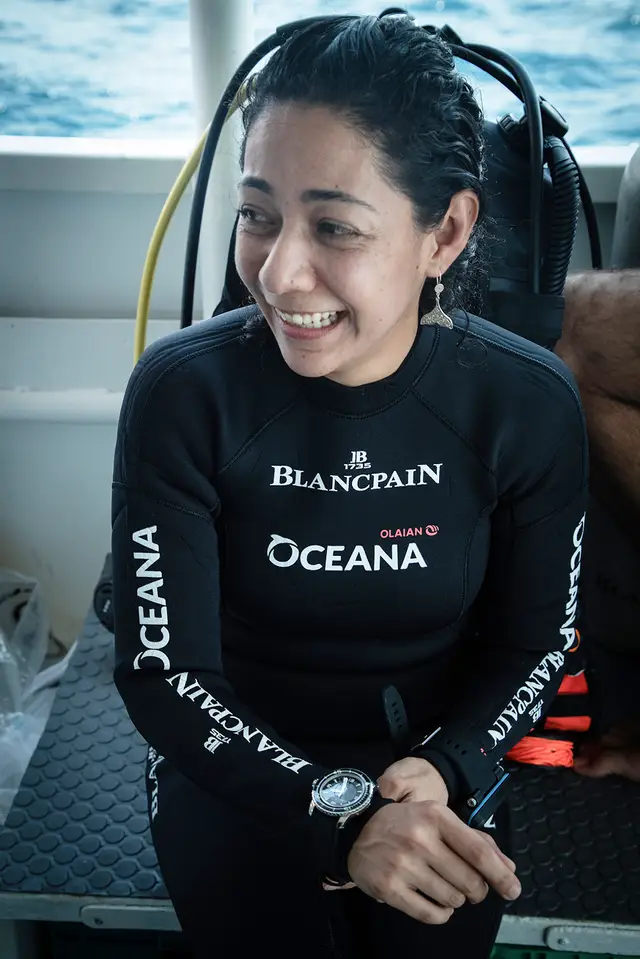
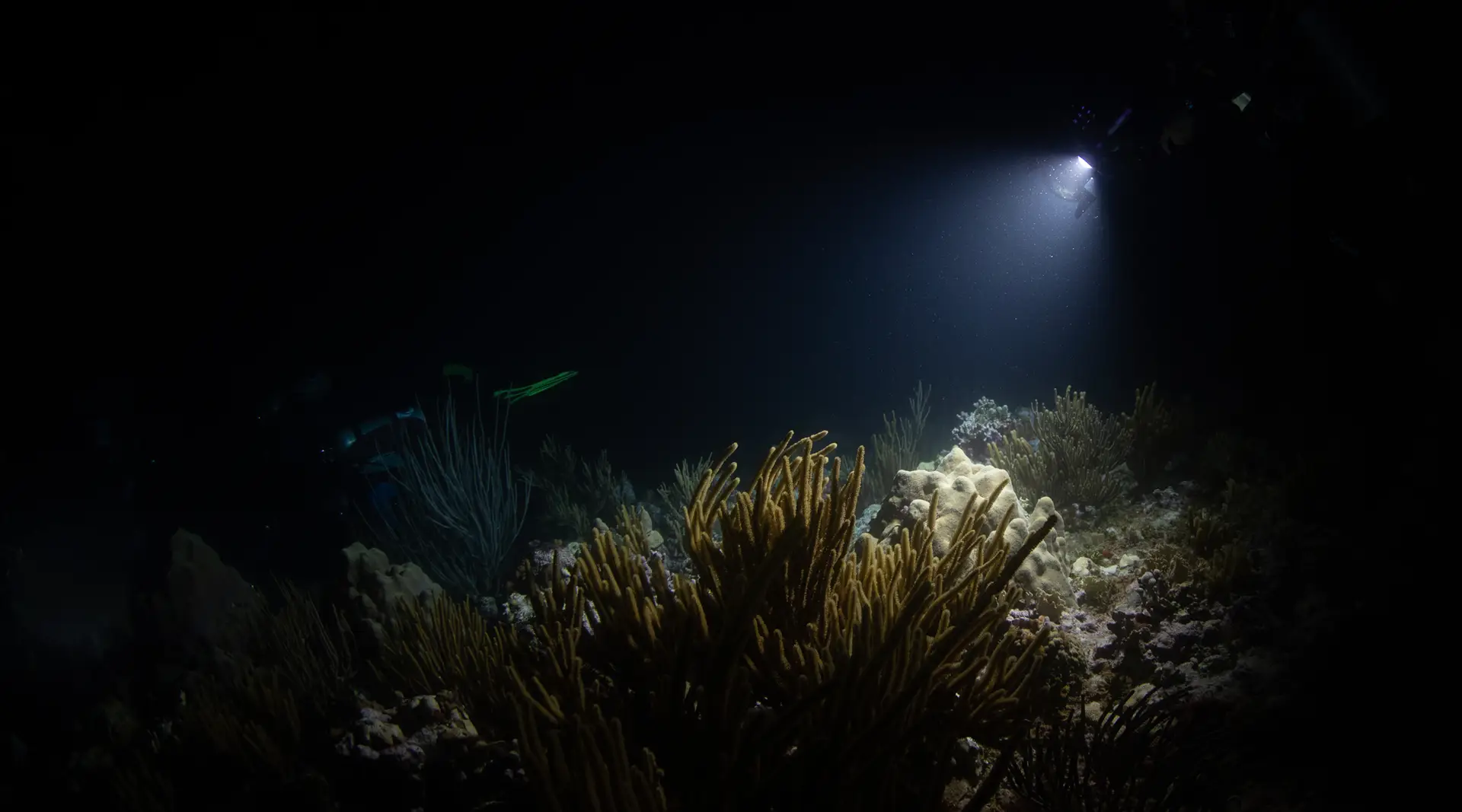
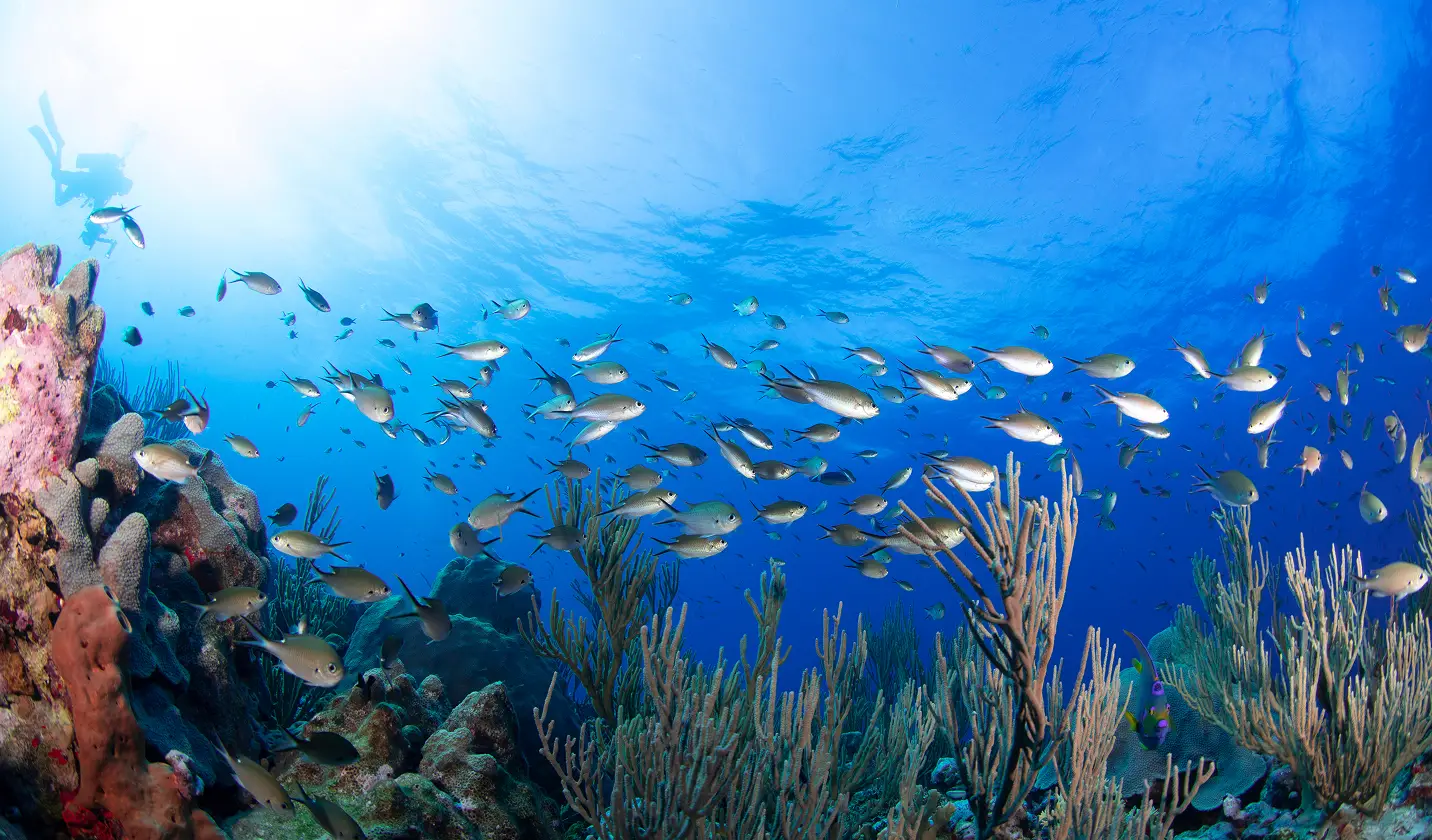
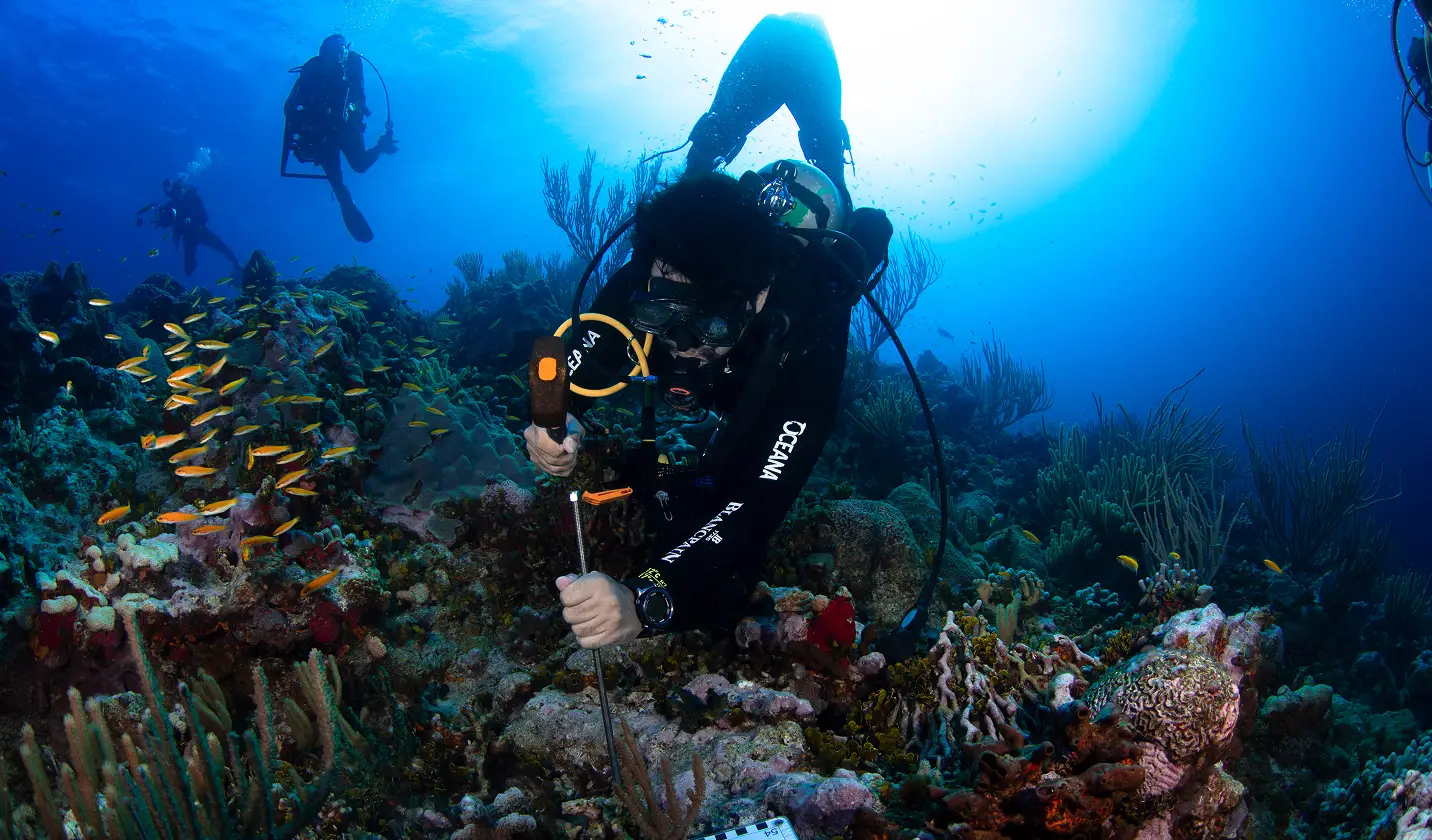
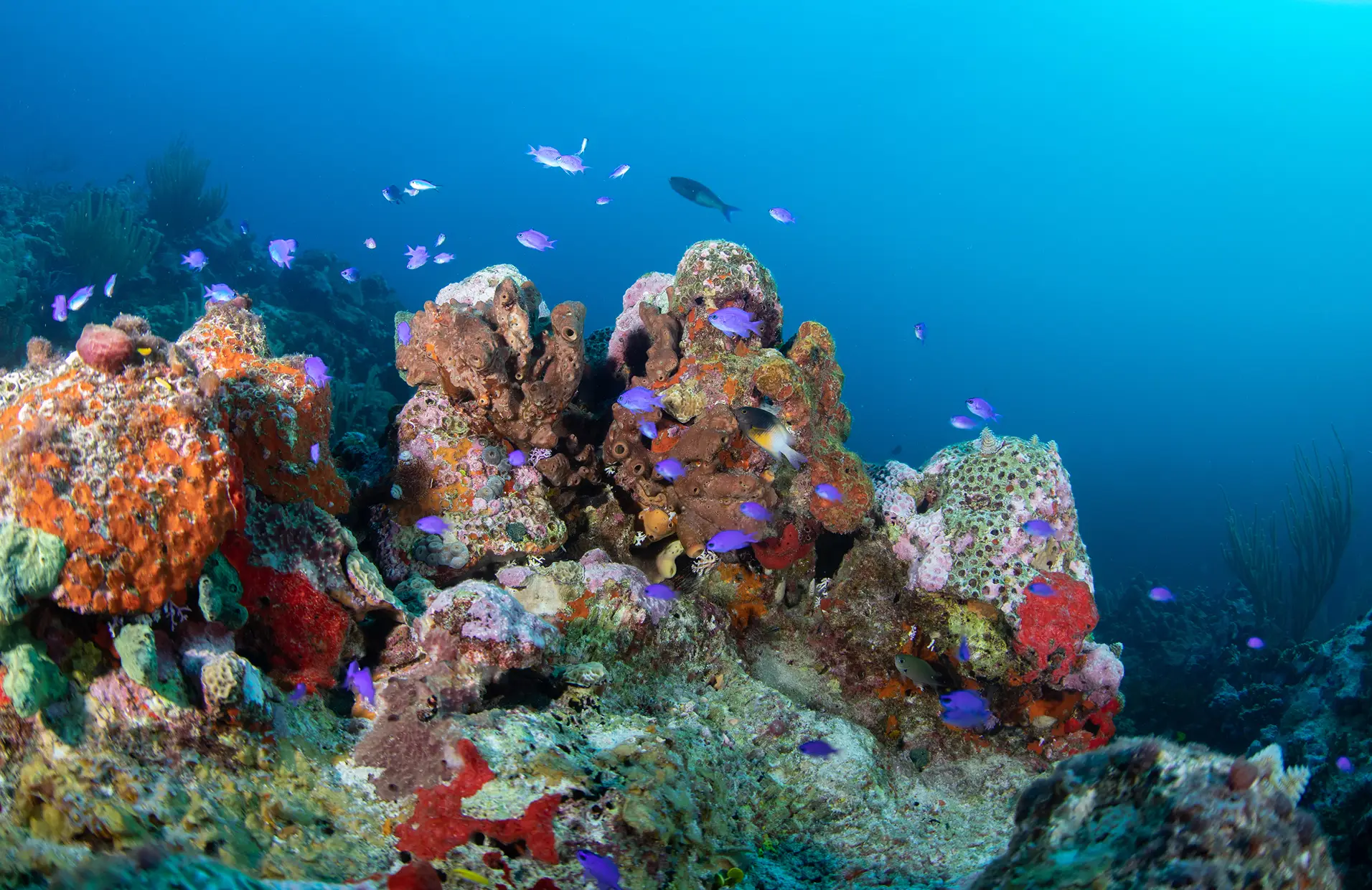
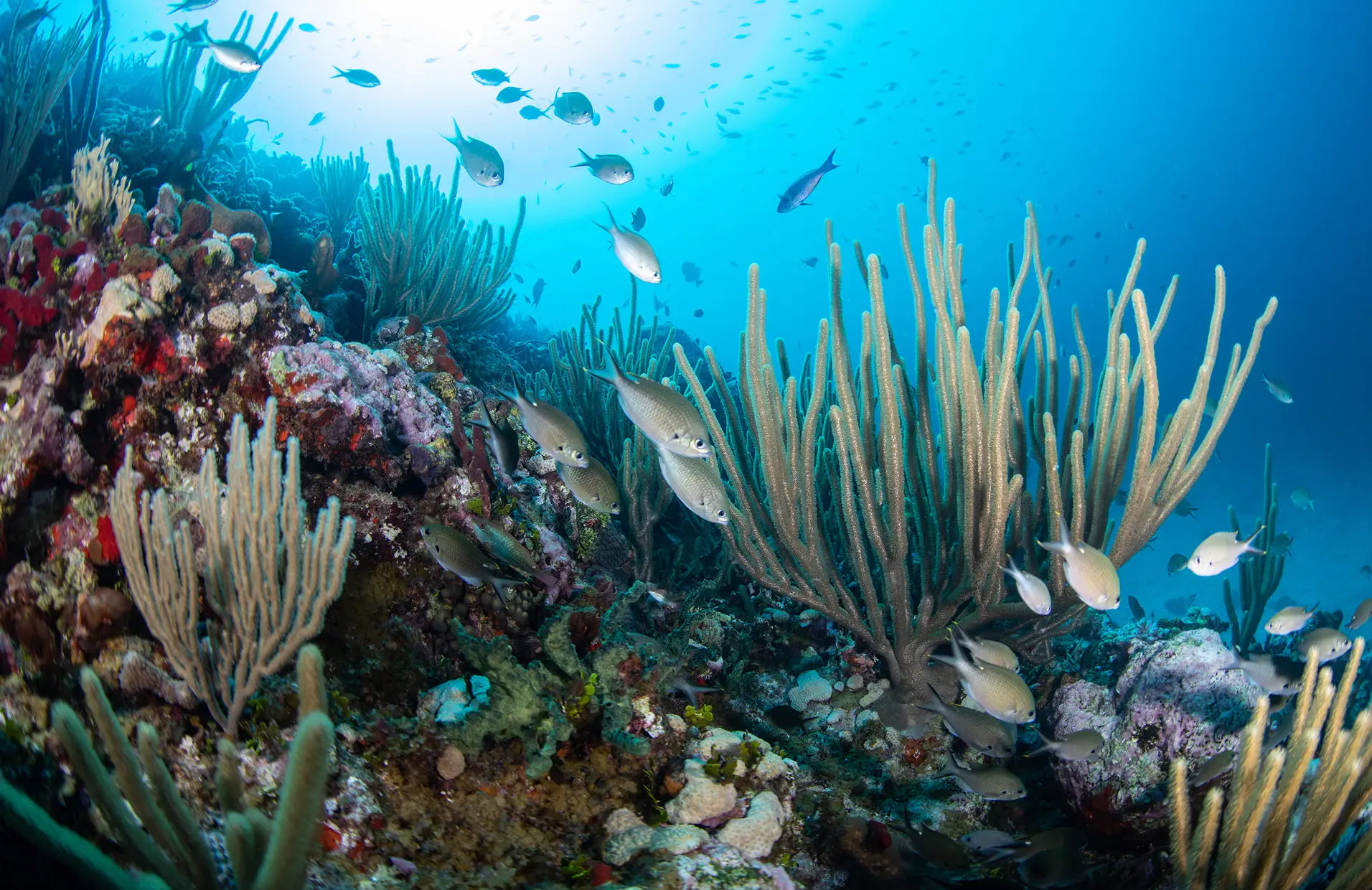
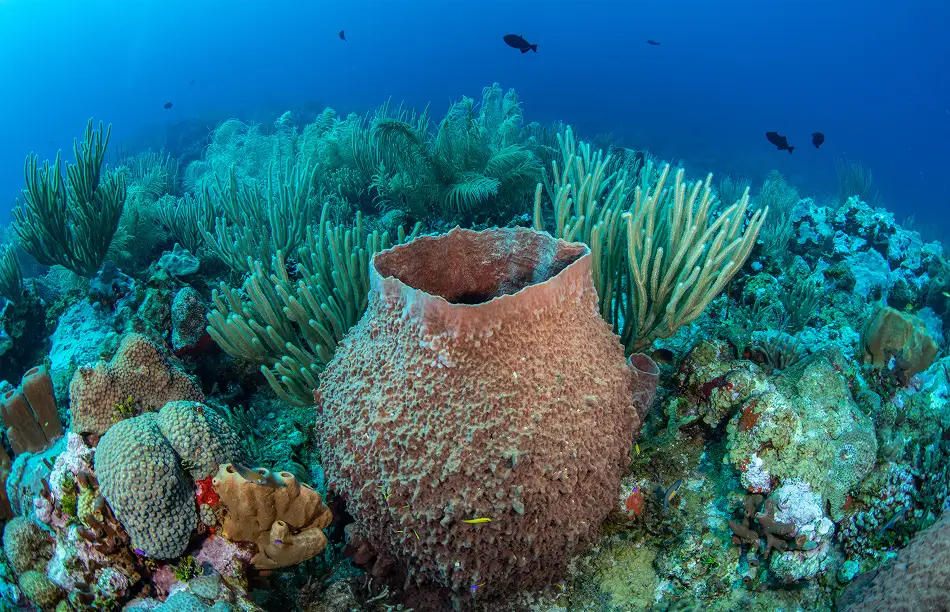
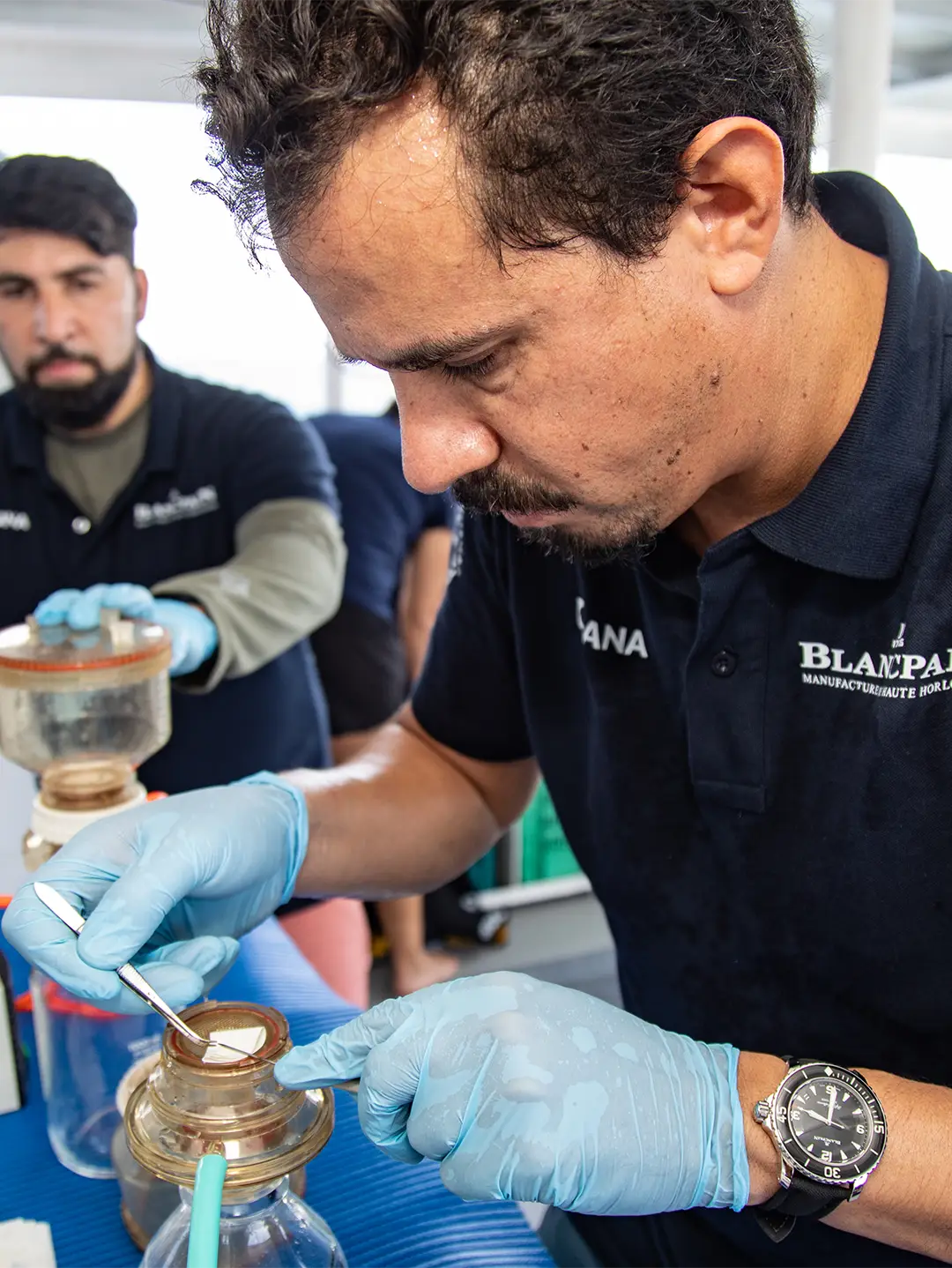
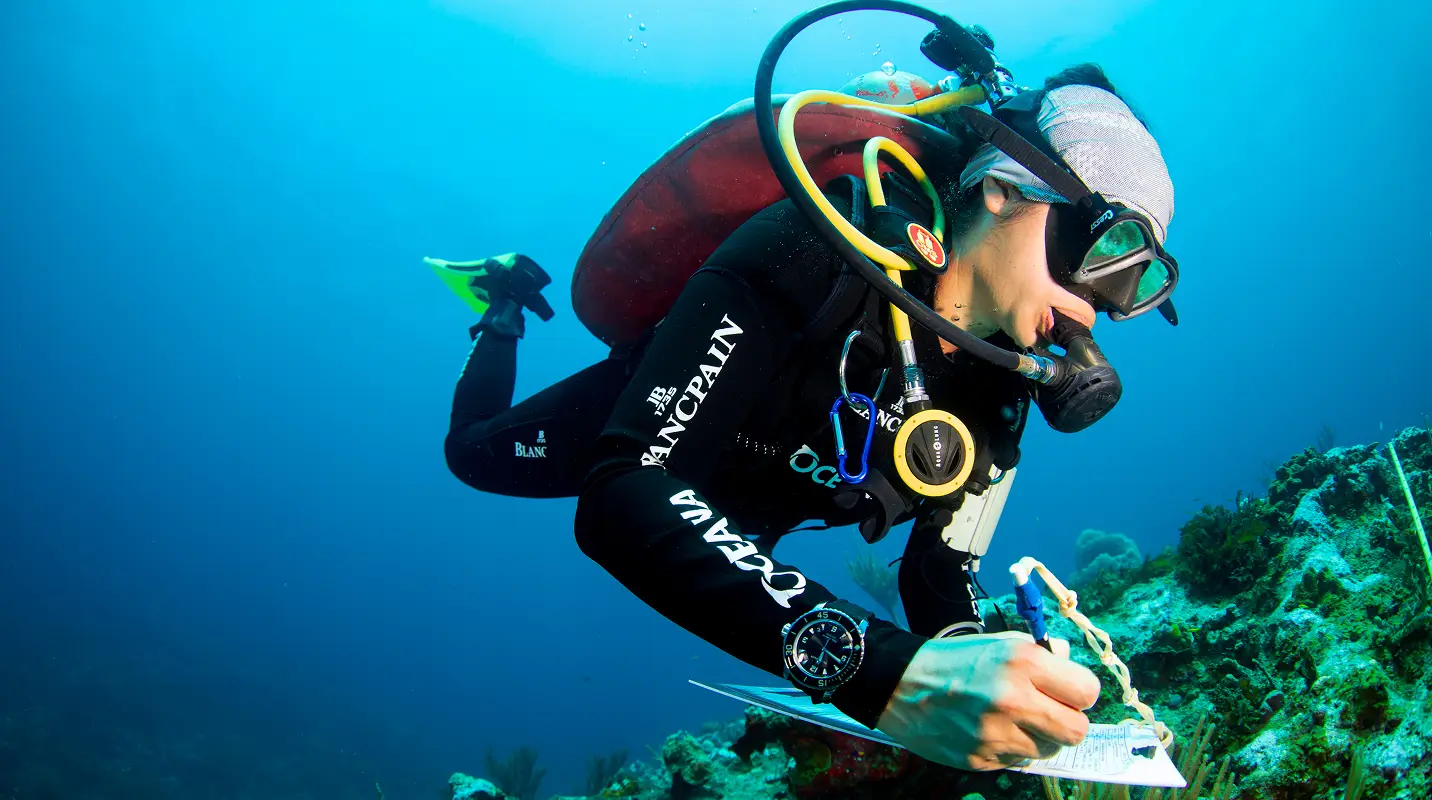
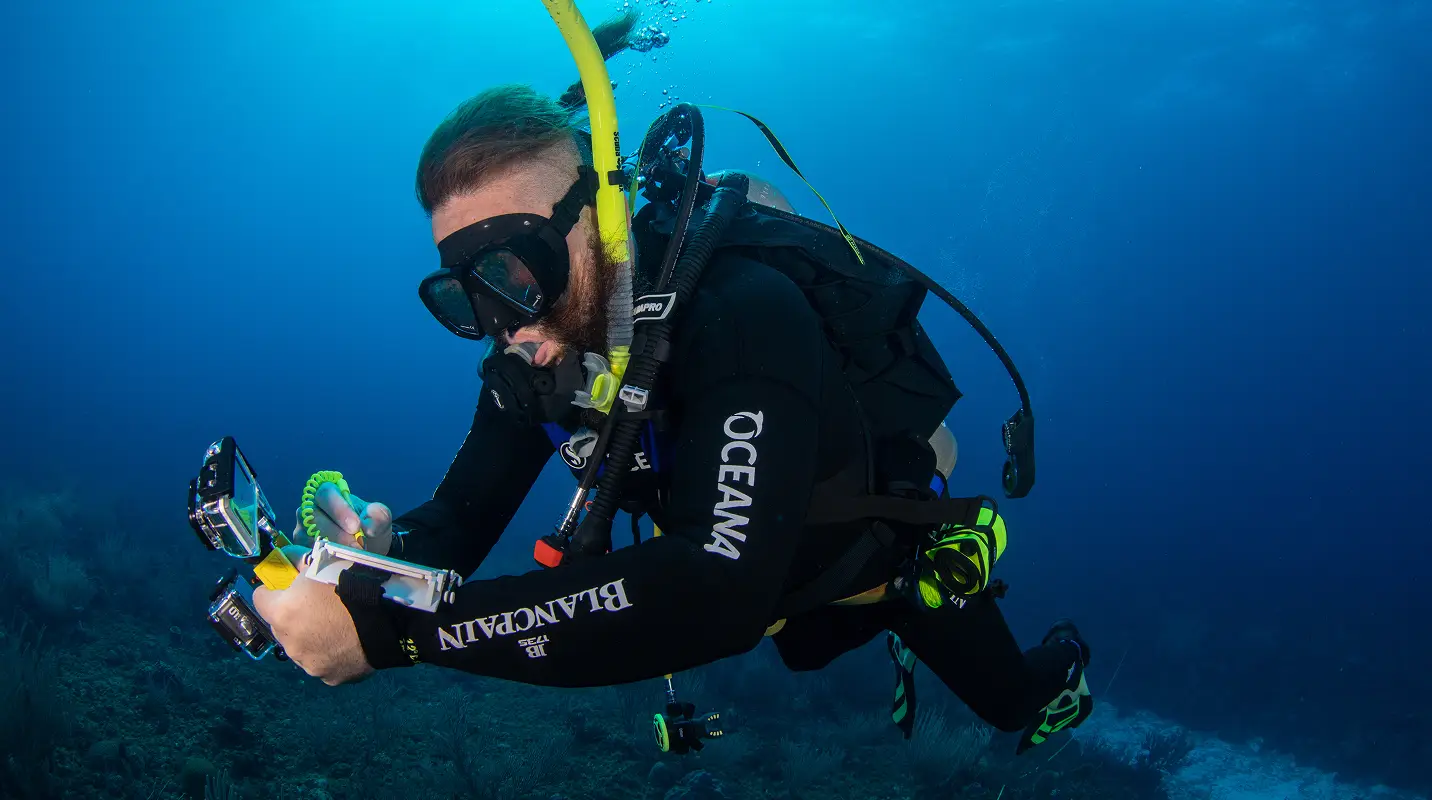
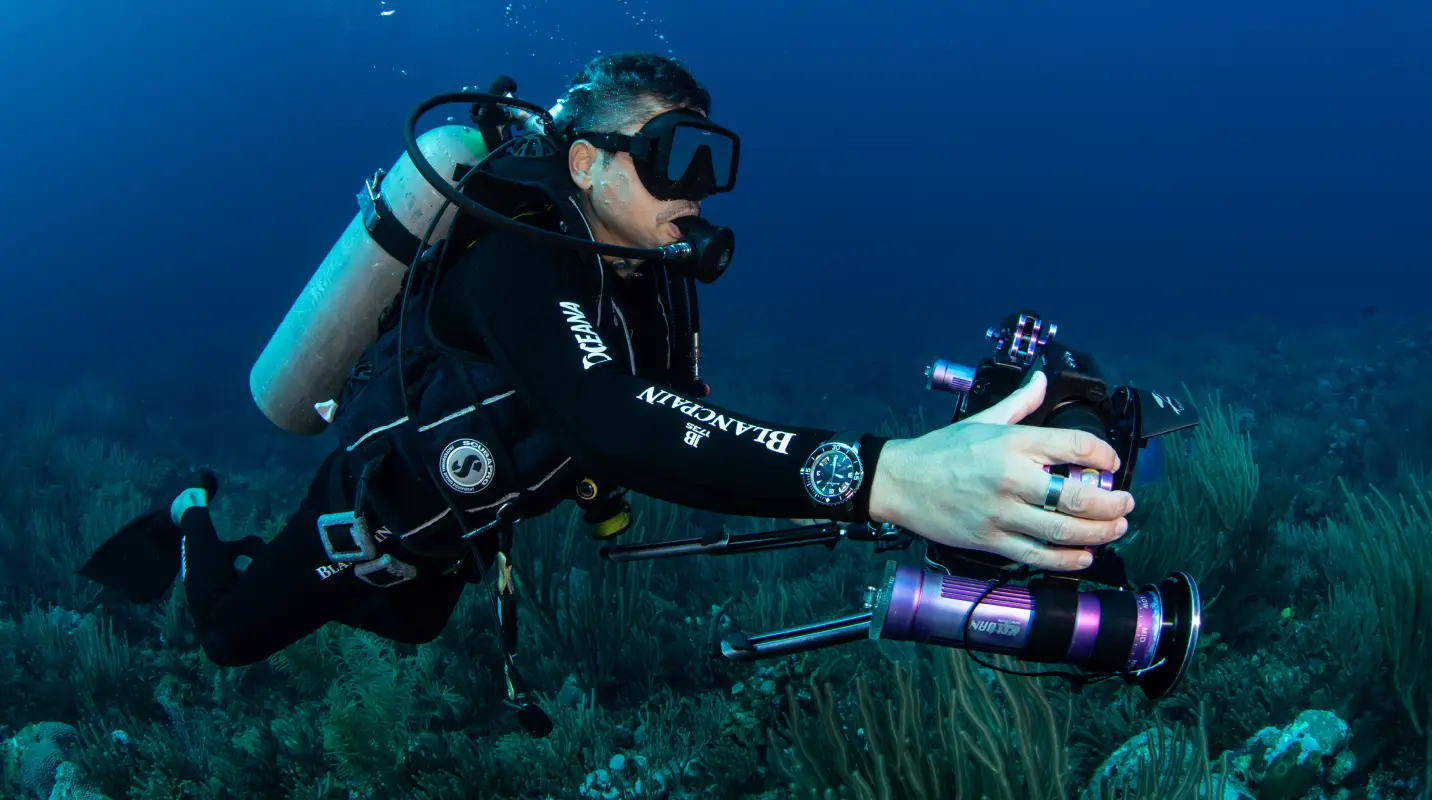
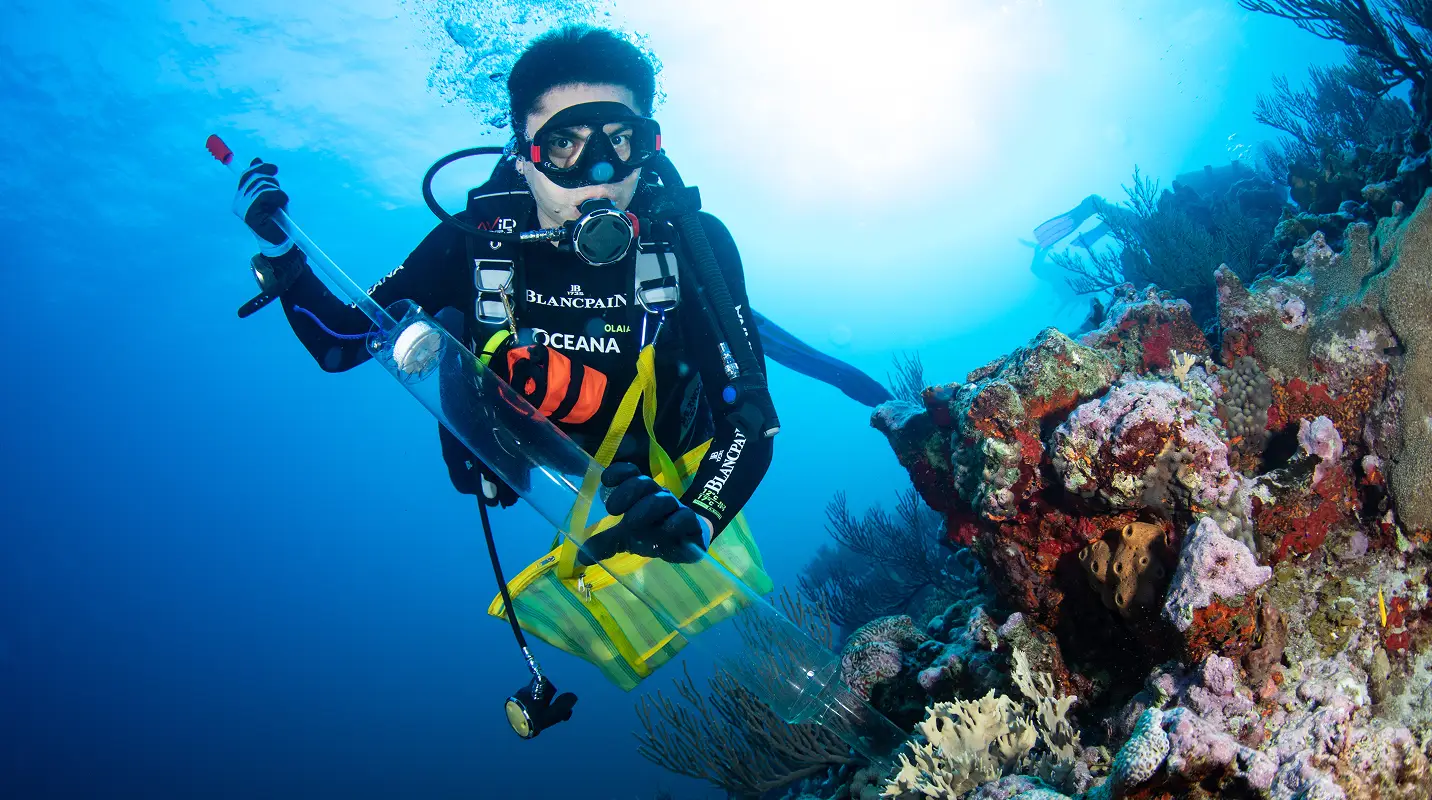
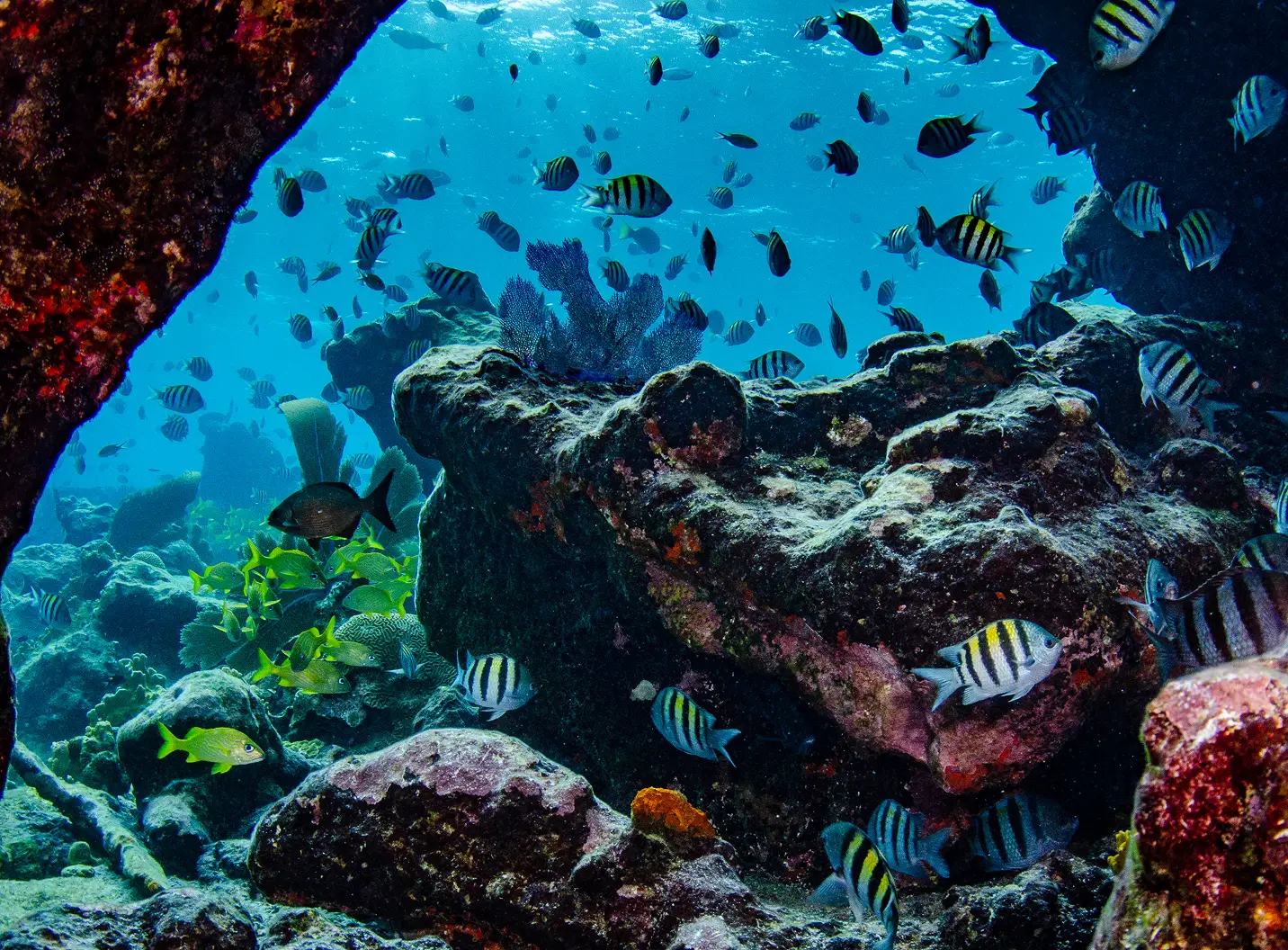
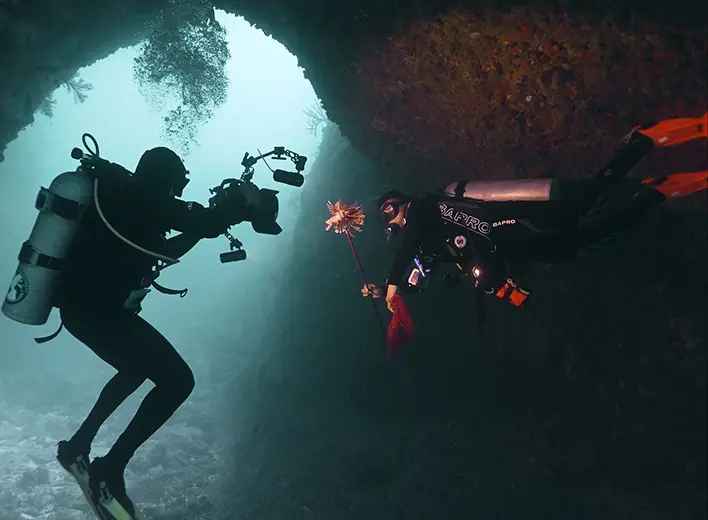
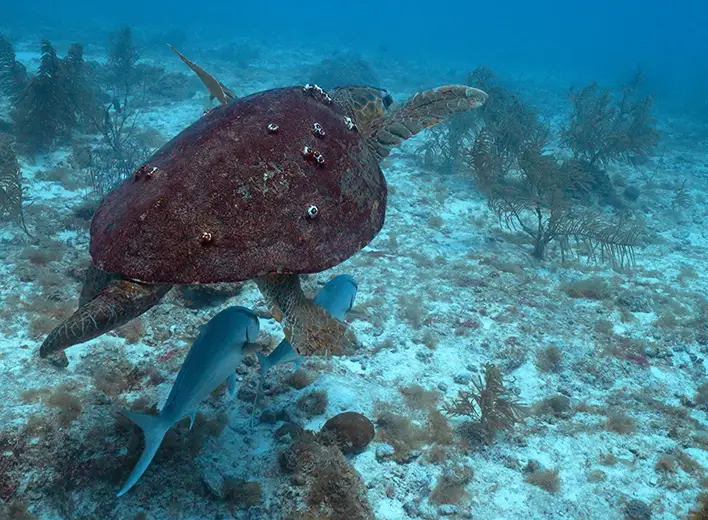
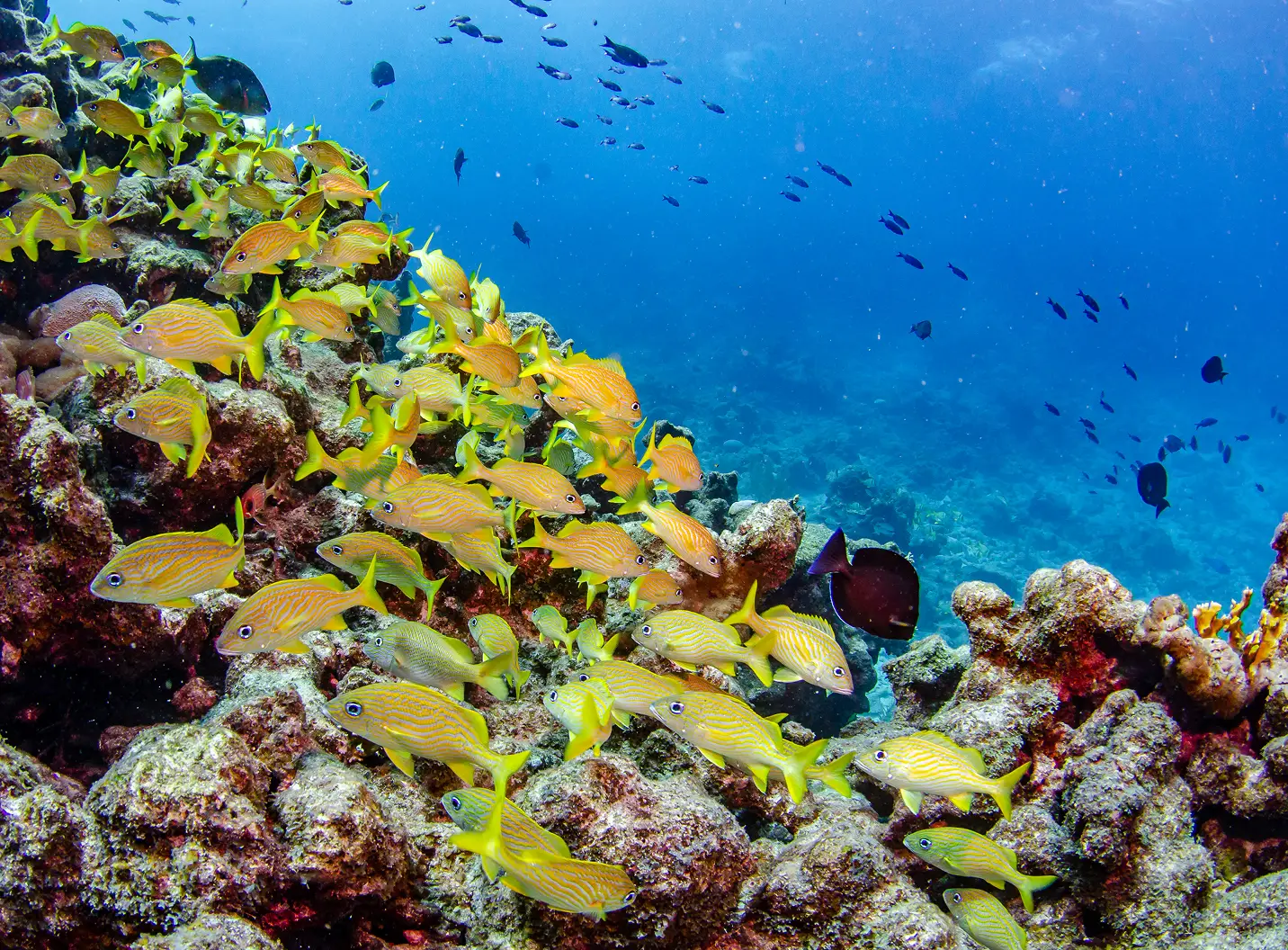
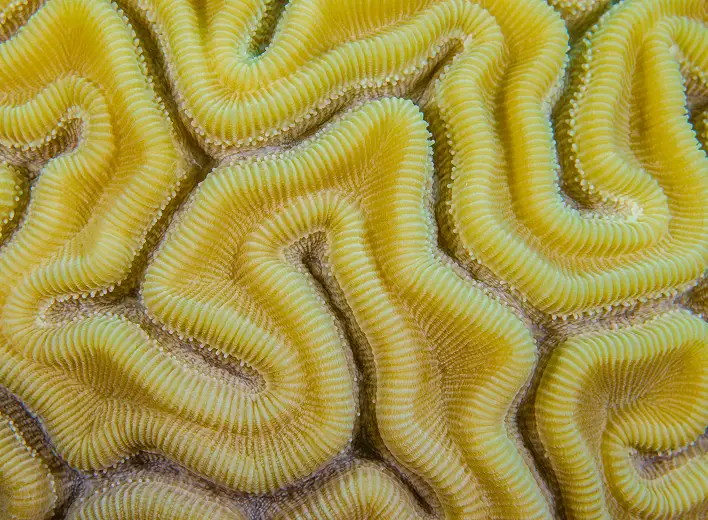
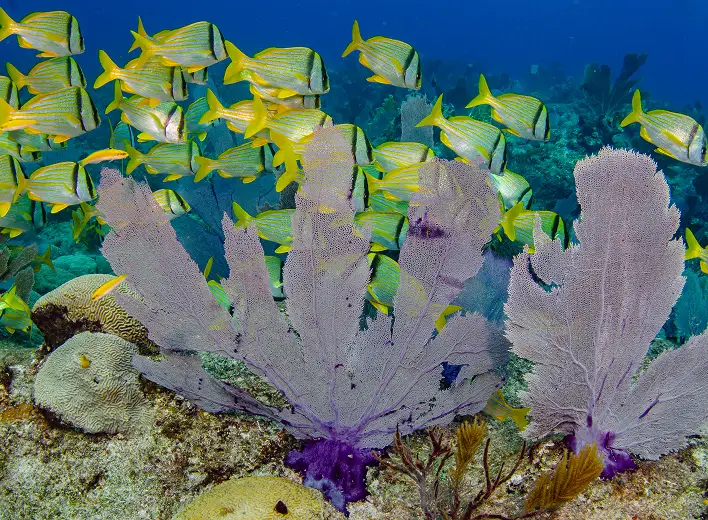
"Many of the sites didn't even have names," Ms Reyna recalls. Using eDNA sampling in combination with both day and night dives, the team documented exceptional biodiversity. In addition to resilient coral formations and abundant shark and turtle populations, the molecular analysis would later reveal species that visual surveys had missed completely.
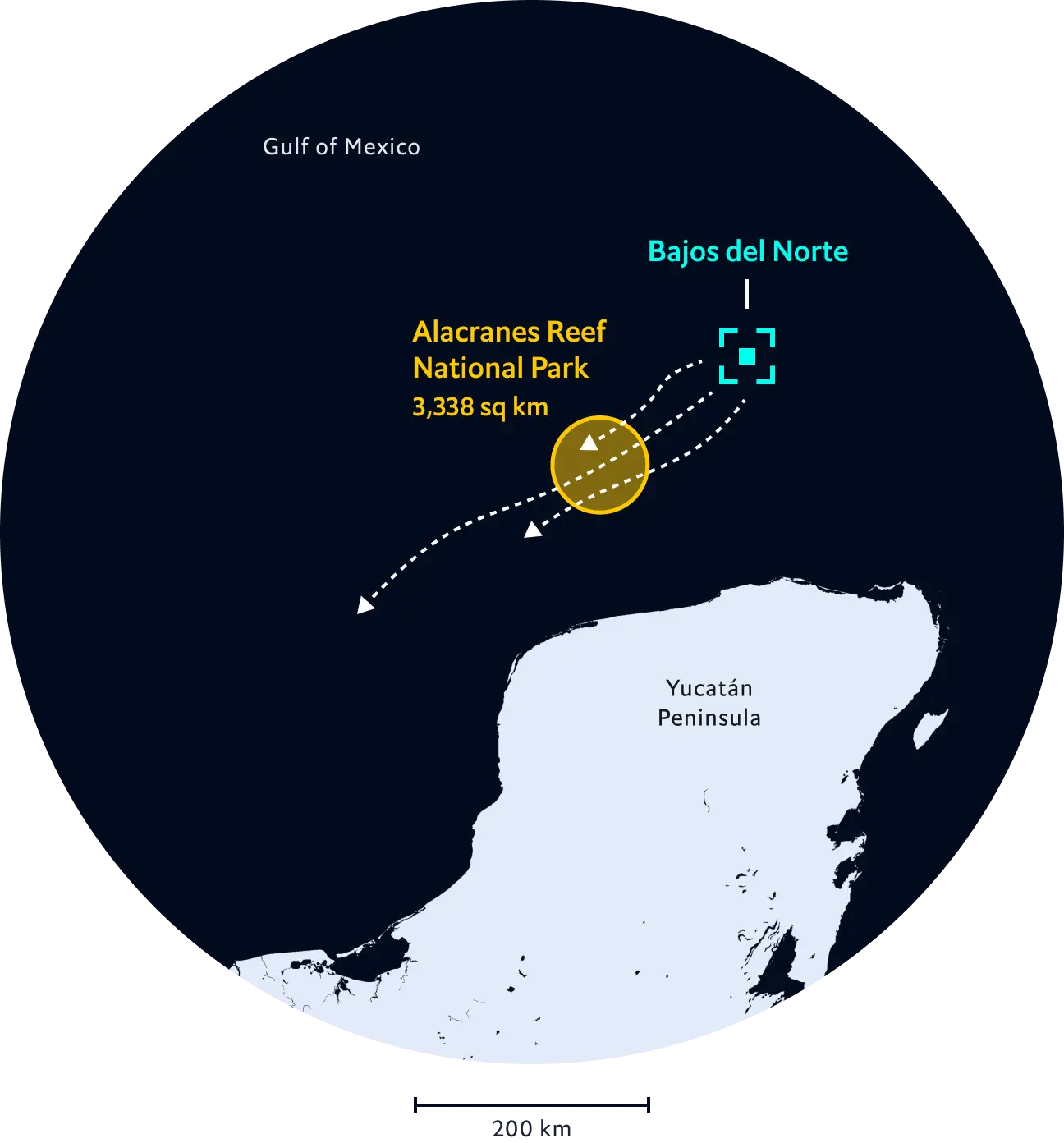
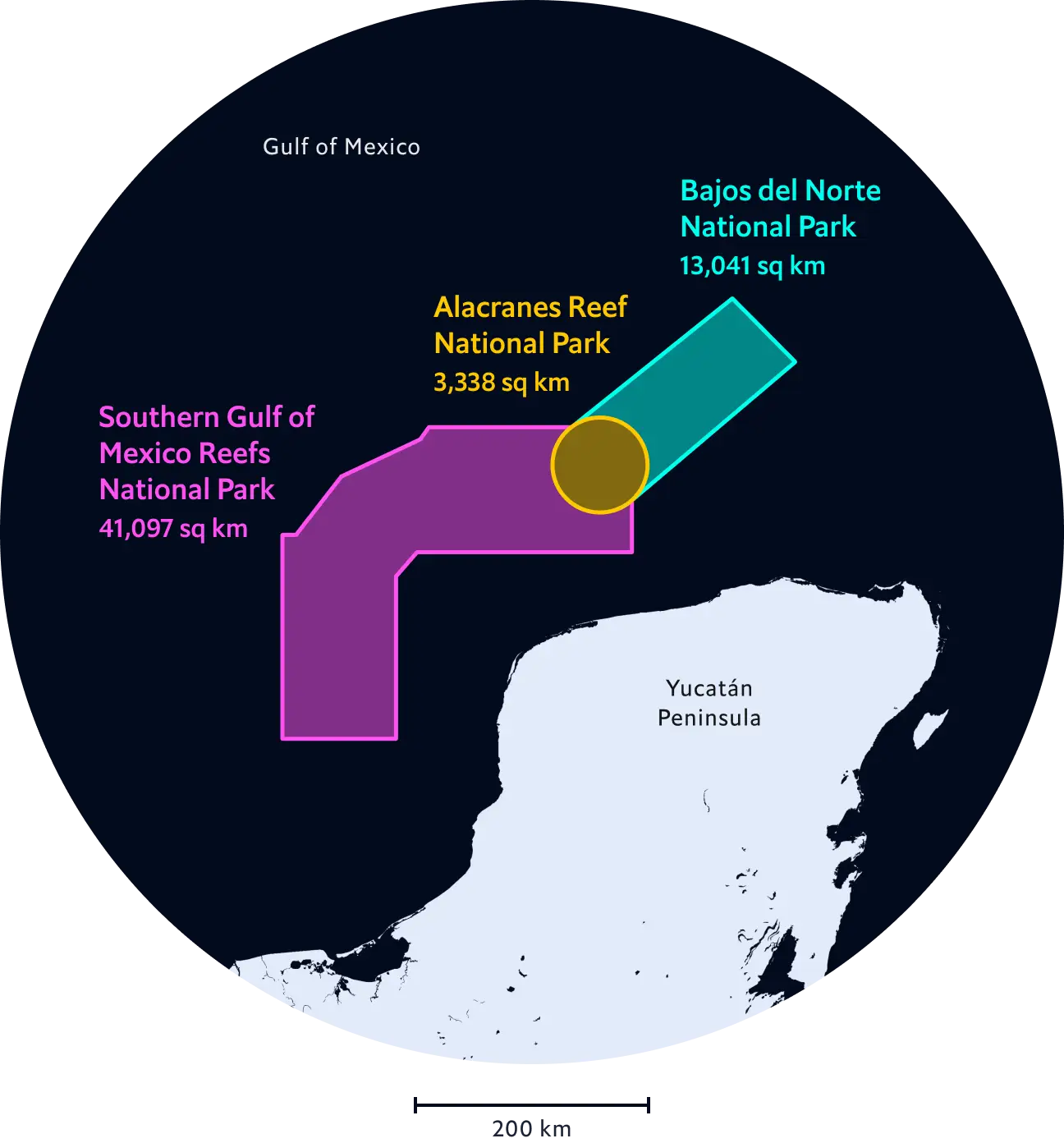
The key was to follow the larvae—nascent fish, molluscs and crustaceans floating on ocean currents, all but invisible to the naked eye. Modelling their dispersion across the Gulf revealed the existence of a biological highway running from Bajos del Norte through Alacranes Reef National Park to other reefs further south. "We knew these two sites are the main places in the southern Gulf where they share larvae," Ms Reyna explains. "One site is connected to the other."
For three species in particular—red grouper, Mayan octopus and spiny lobsters—these reefs functioned as interconnected spawning grounds. Protecting one reef while leaving the others vulnerable threatened the health of the Gulf as a whole.
This discovery transformed traditional adversaries of marine conservation into allies. Given the importance of grouper to Mexico's fishing industry, which employs nearly 12,000 people along the Yucatán coast, large commercial concerns and individual fishermen alike quickly realised that protecting the reefs meant protecting their livelihoods.
"This is the first time in Mexico—and one of the few globally—that an MPA has been established with the support of the fishermen regulated by it," says Ms Terrazas. The science had reframed ocean conservation from a zero-sum conflict to mutual benefit.