
The ocean’s front line defenders
From divers to data collectors, citizen scientists are powering marine conservation efforts across the globe
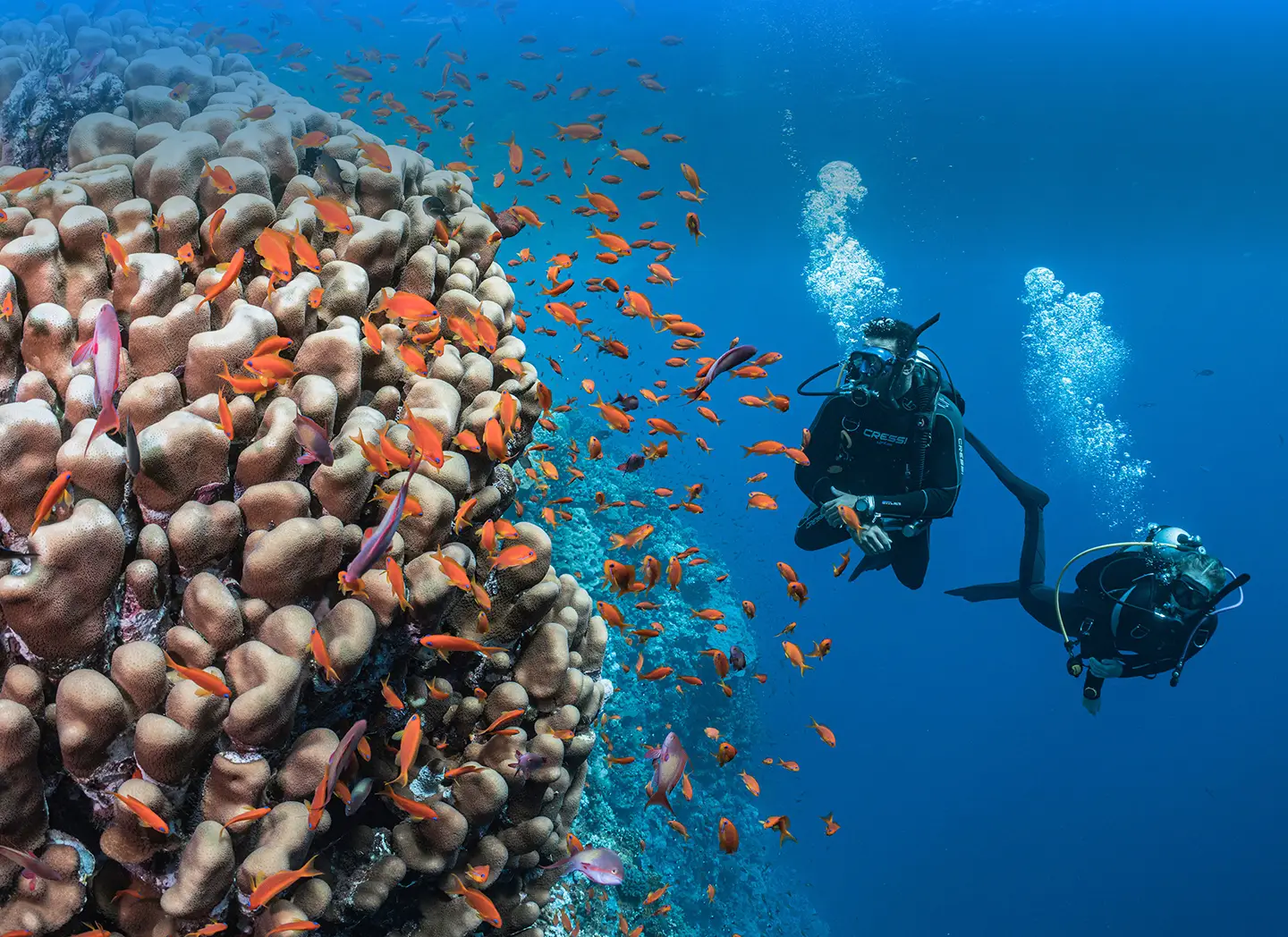


Beneath the ocean’s surface, a quiet revolution is taking place. Dive instructors—the professionals who train and certify a million recreational divers each year—are recruiting a network of citizen scientists. Their mission is to protect 30% of the world’s oceans by 2030, one shark, ray and reef at a time.
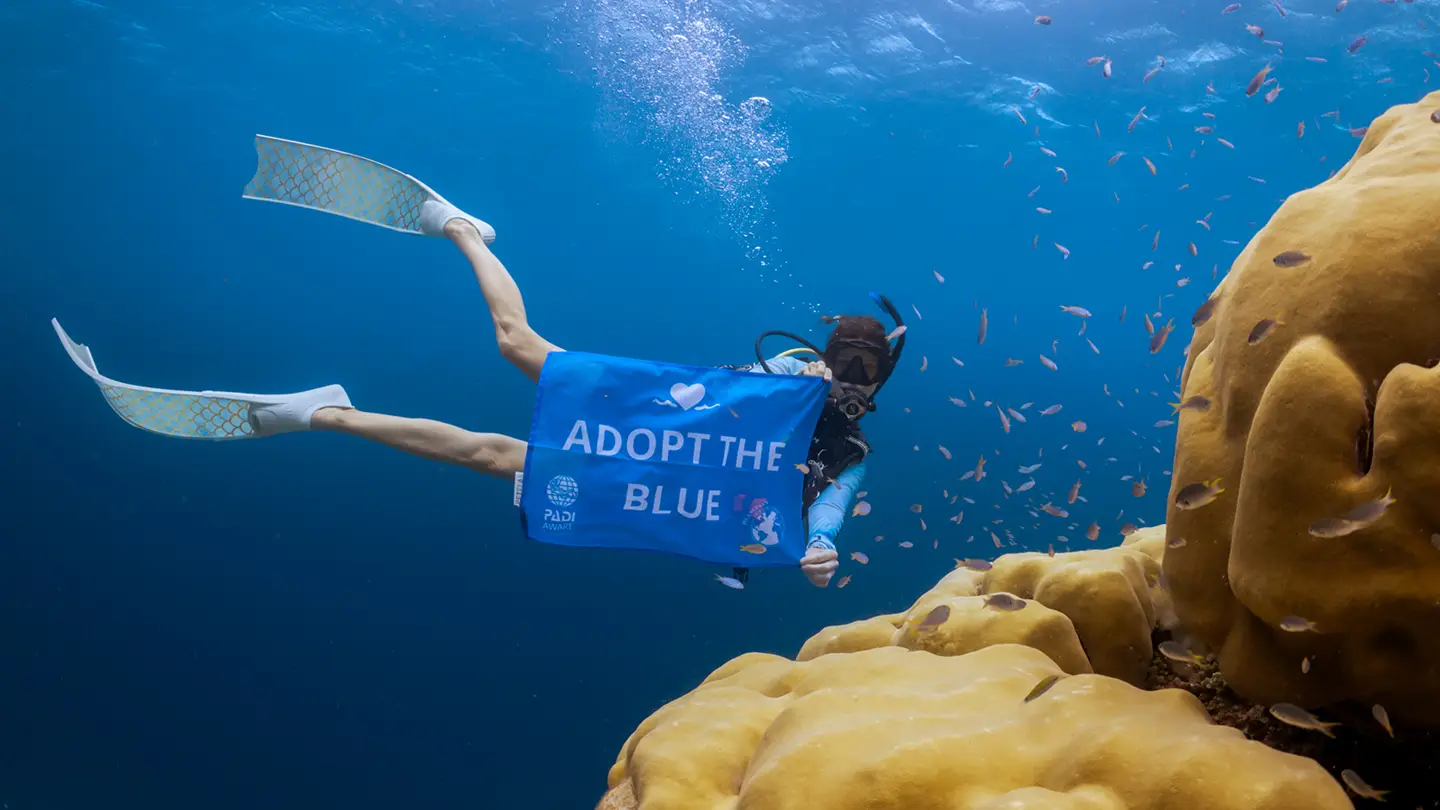
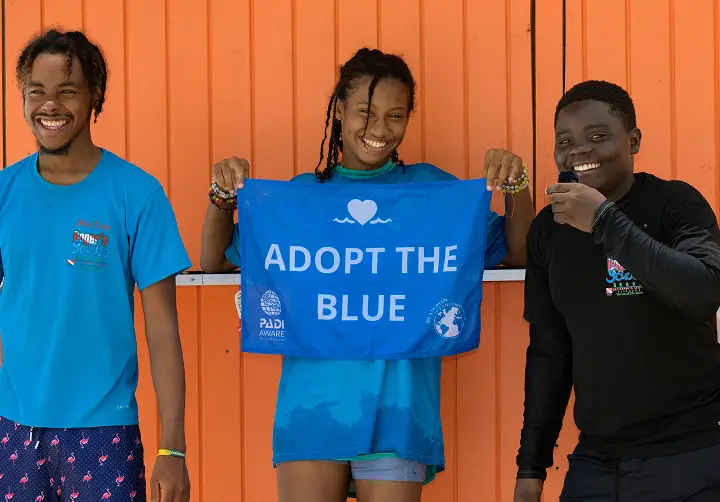
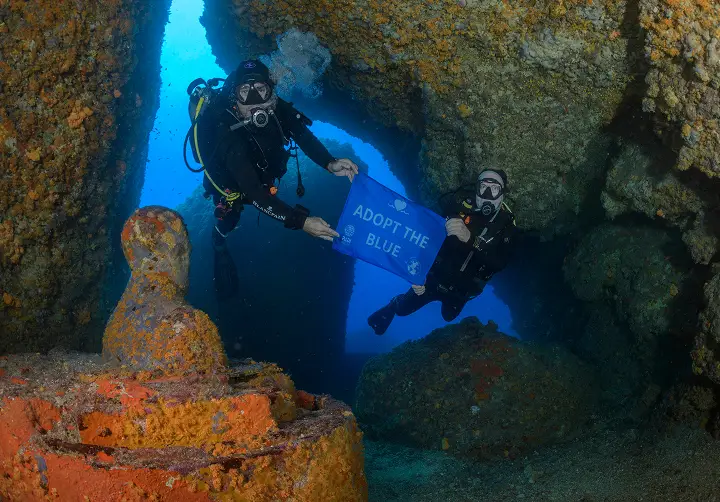
This volunteer flotilla is a core part of Adopt the Blue—a programme dedicated to ocean conservation, launched by Blancpain, maker of the first dive watch, and PADI, the world’s largest dive training organisation.
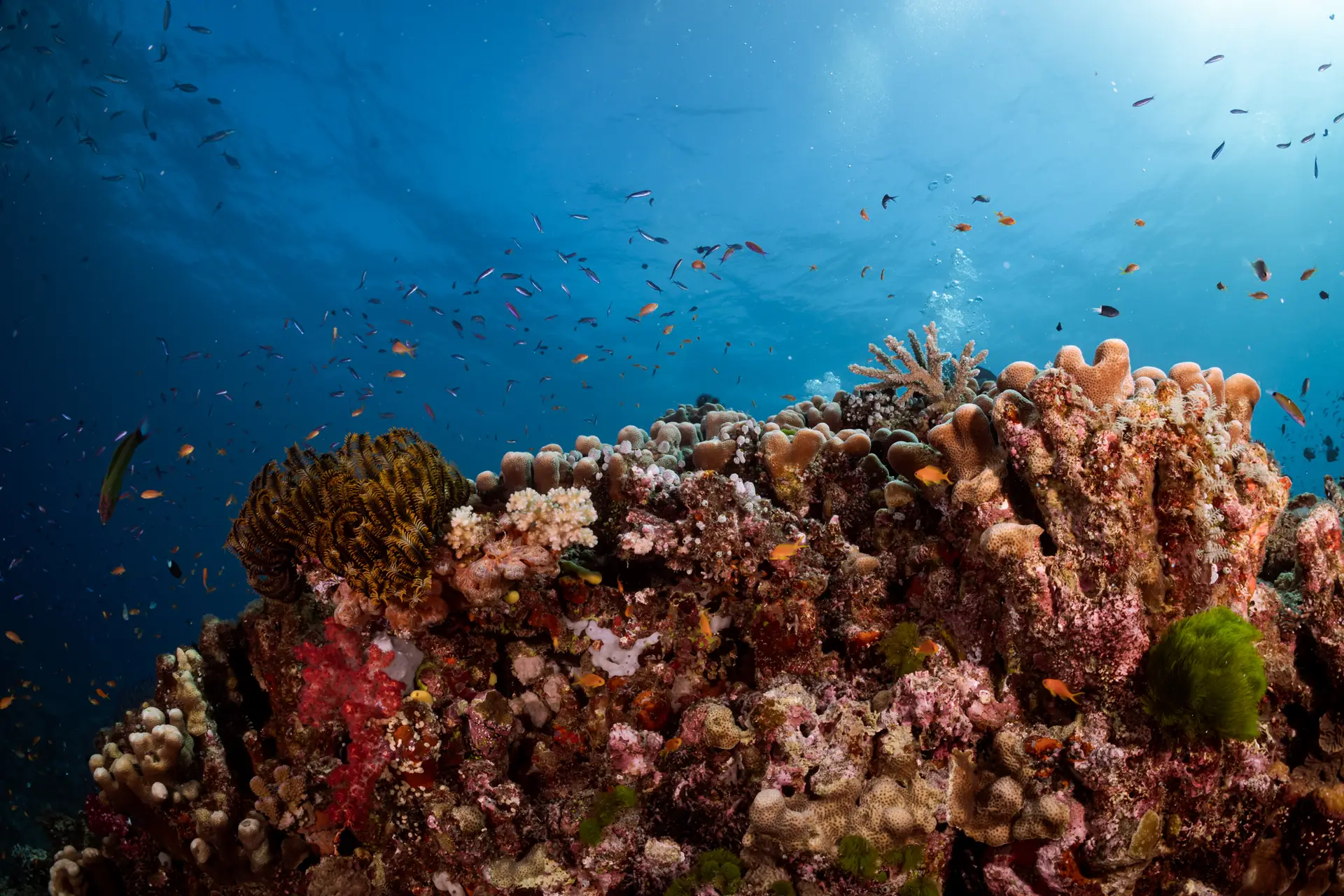
With more than 2,500 underwater sites that can be activated for conservation efforts, Adopt the Blue seeks to build a global network of marine protected areas (MPAs) that will be monitored and cared for by local divers returning to the same waters over time. Later this year, the partnership will launch the Global Shark & Ray Census—an unprecedented citizen science effort that will crowdsource critical data to protect these creatures from extinction.
“We’re extremely proud of the role we’ve played in advancing global marine protection efforts and we are thrilled to be collaborating with PADI and its community of divers to bring about even more positive change,” says Marc A. Hayek, president and chief executive of Blancpain.
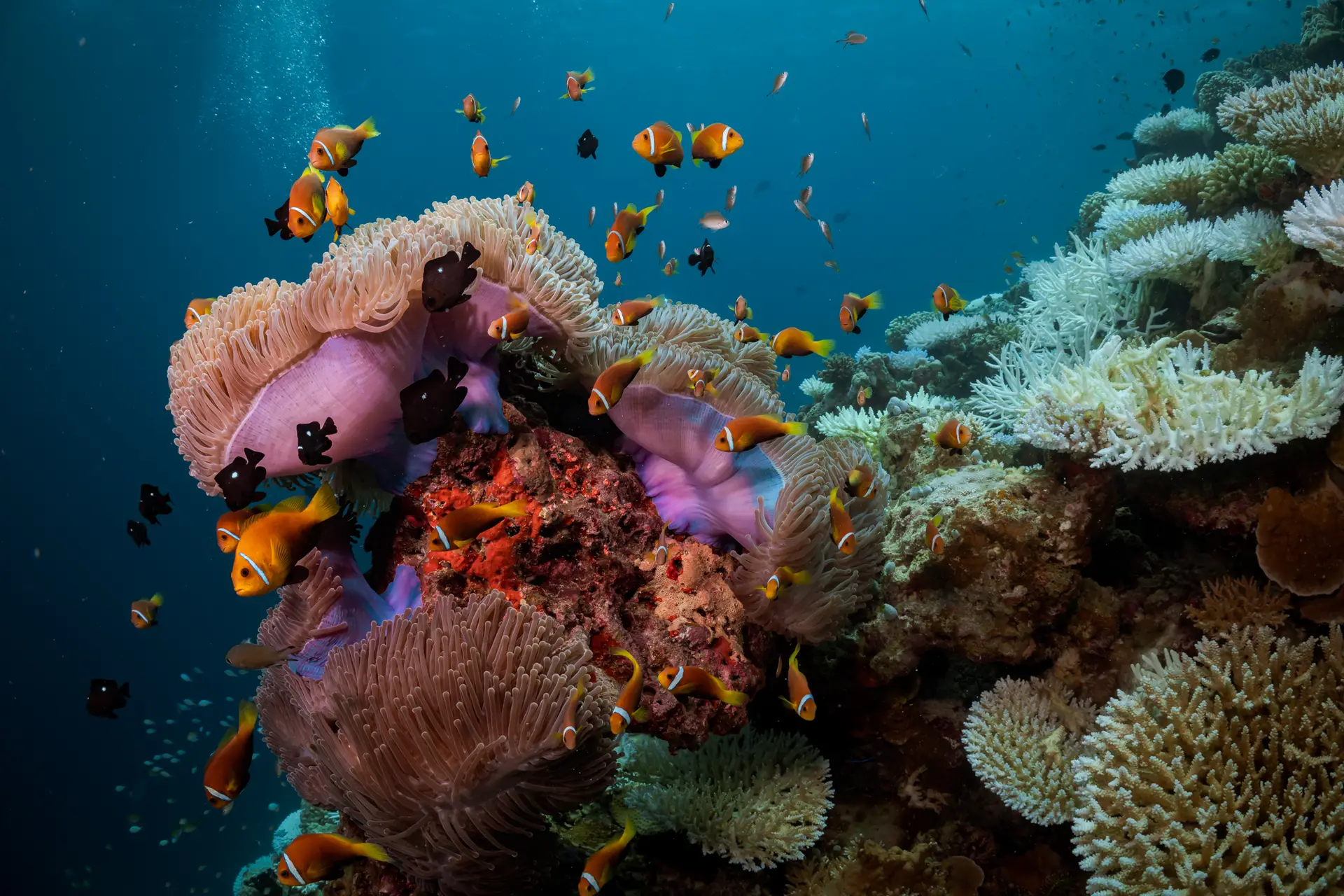
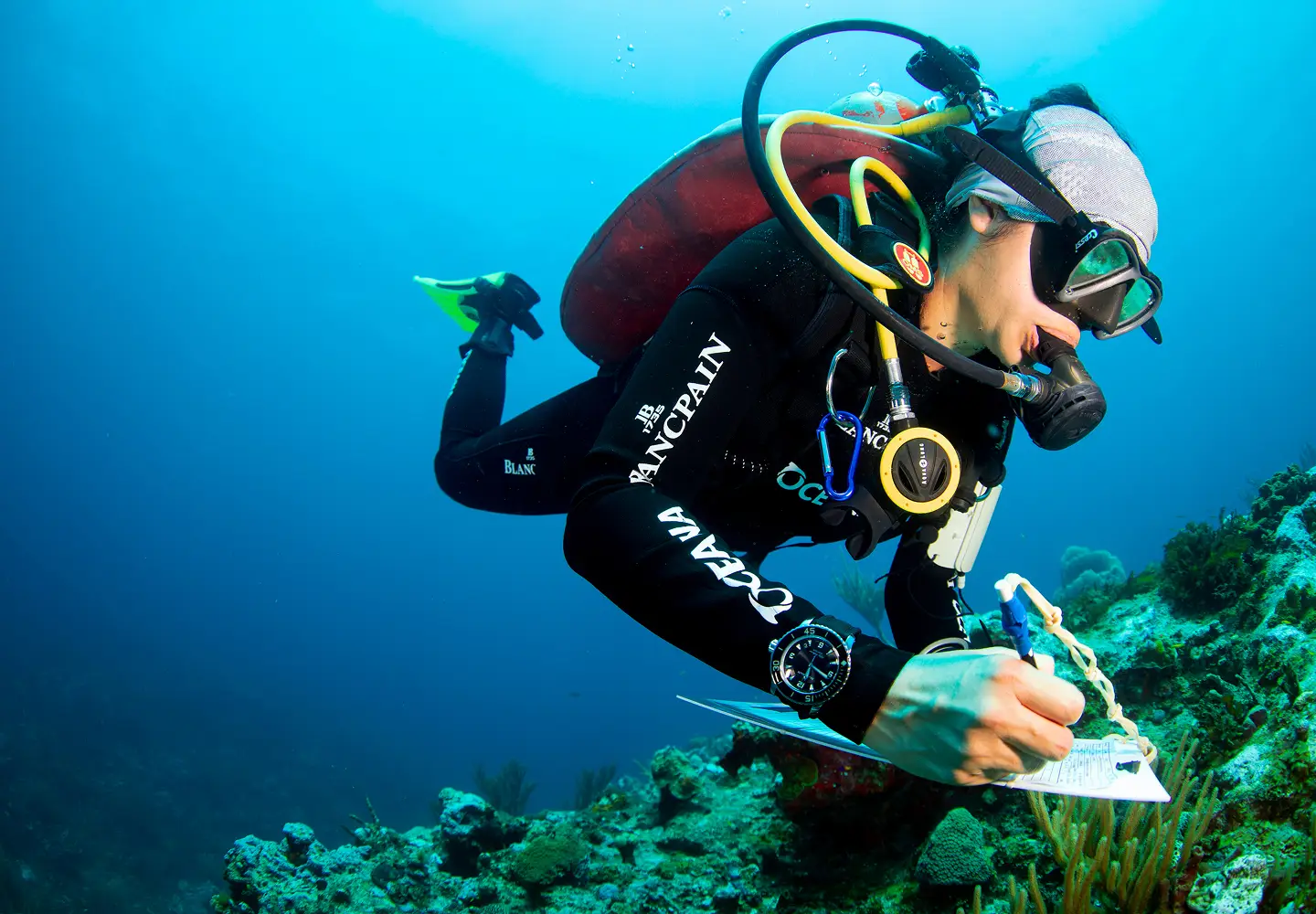
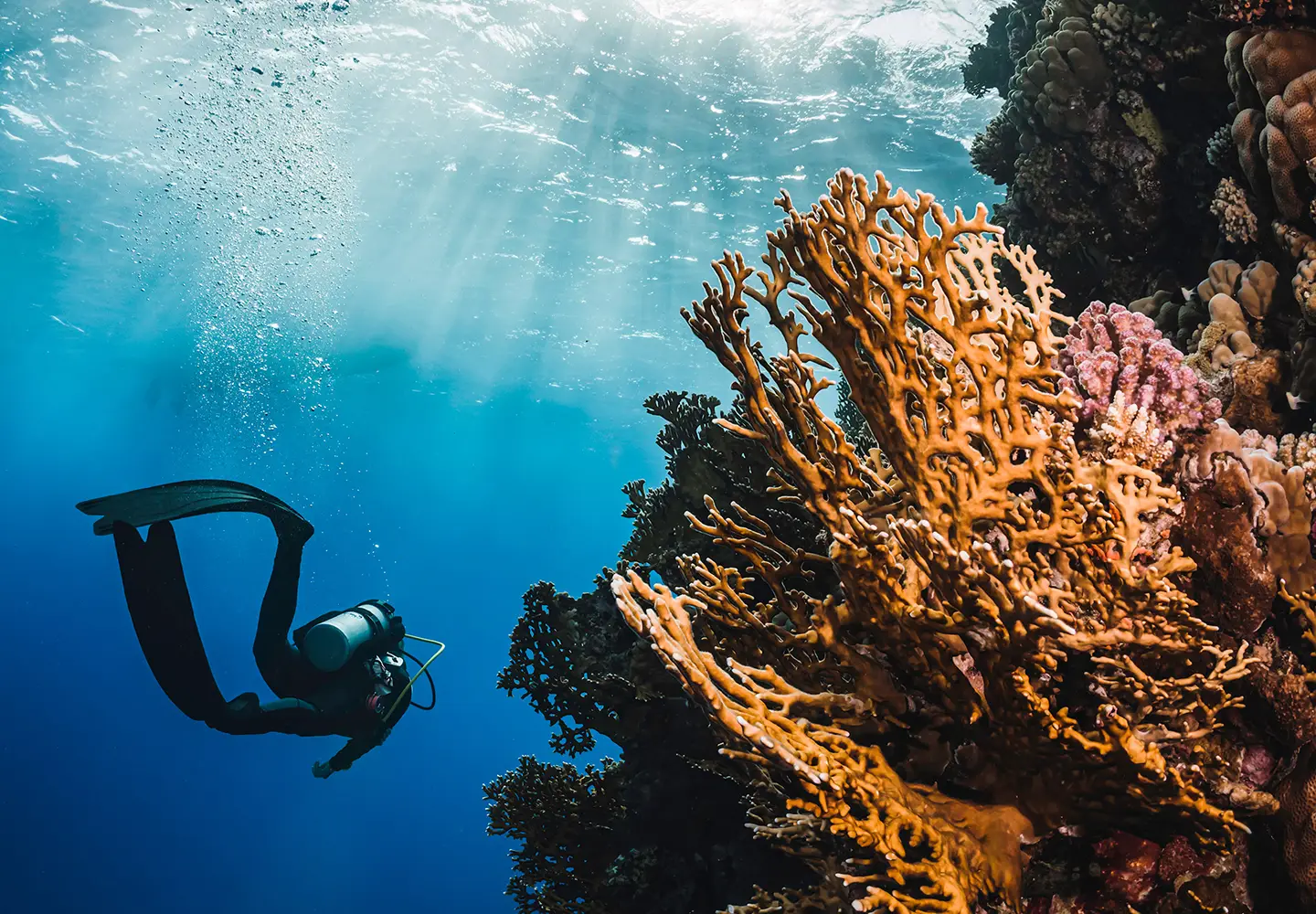
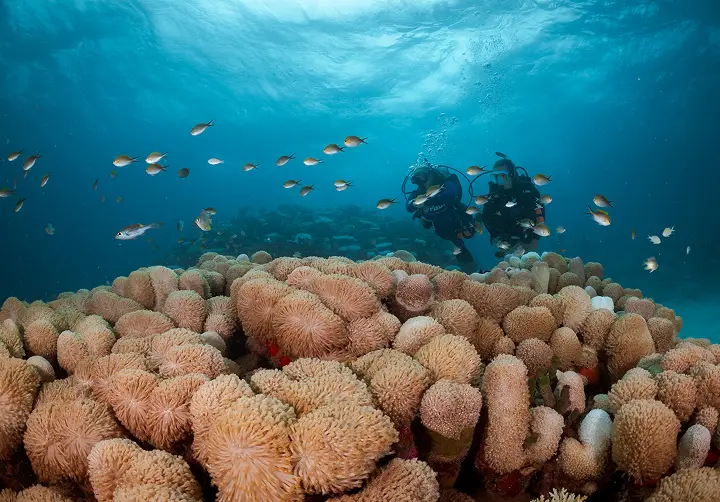
Adopt the Blue is turning PADI’s 6,600 dive centres (comprising 126,000 members) into mission hubs for conservation efforts. Each MPA will act as a data collection point where divers and their instructors can monitor anything from coral health to marine debris, informing the conservation decisions of scientists and policymakers.
Drew Richardson, PADI president and CEO, and Marc A. Hayek, president and CEO of Blancpain
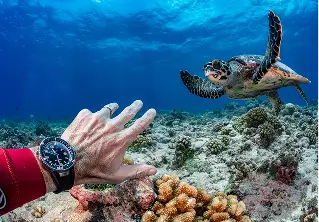
“We’re the underwater eyes of the world. Divers dive on the same site every single day. Some professionals are there for decades—nobody can tell you better how a site has changed than a diver. When you ask every single one of them to collect data in a standardised way, what could that do for the environmental movement?”
Danna Moore, director of PADI AWARE, the association’s non-profit arm
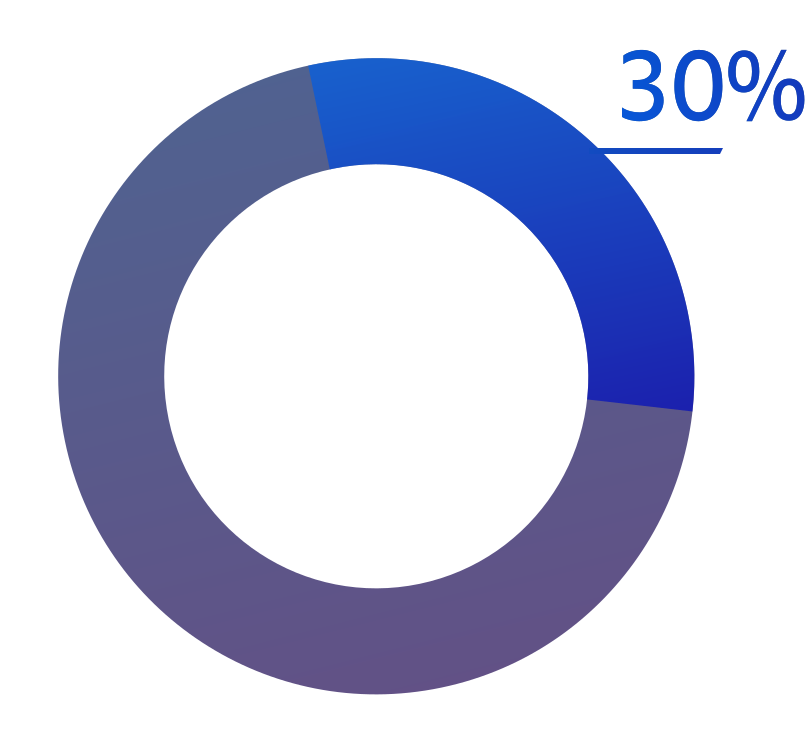
Despite global efforts to protect 30% of the oceans by 2030, progress has been alarmingly slow. According to the Marine Conservation Institute, just 3% of the world’s oceans are fully or highly protected, with only 8.3% protected in some capacity. Even more concerning, a third of designated MPAs allow industrial or other potentially damaging activities. This conservation gap makes Adopt the Blue not just timely, but critical.
“Adopt the Blue combines meaningful, direct actions that PADI’s ocean torchbearers take into a single place that can help inform scientists, policymakers, government authorities and the public.”
Drew Richardson, PADI president and CEO
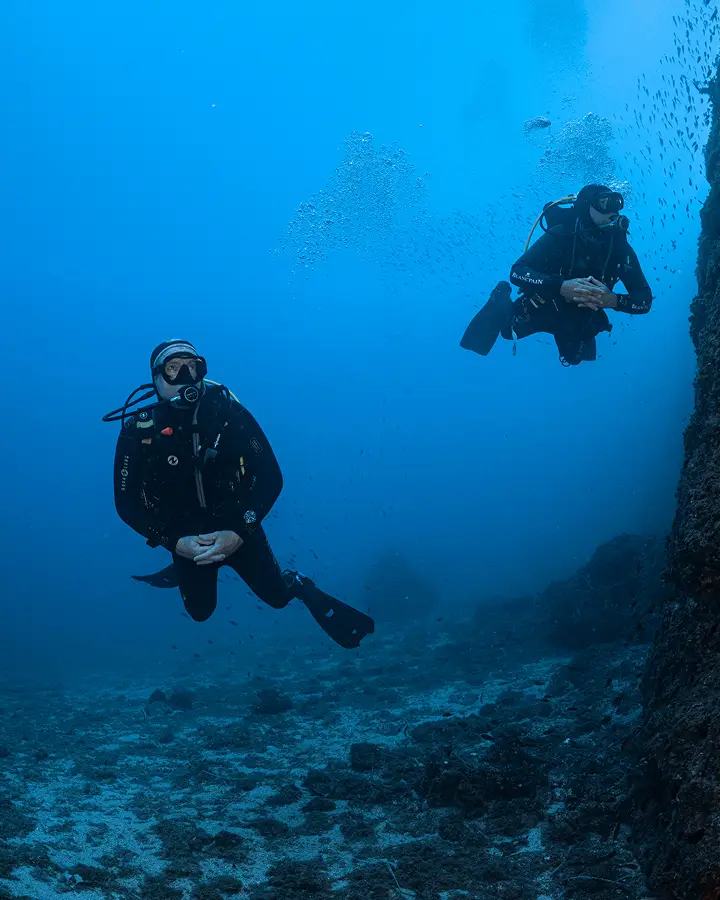
Drew Richardson, PADI president and CEO, and Marc A. Hayek, president and CEO of Blancpain
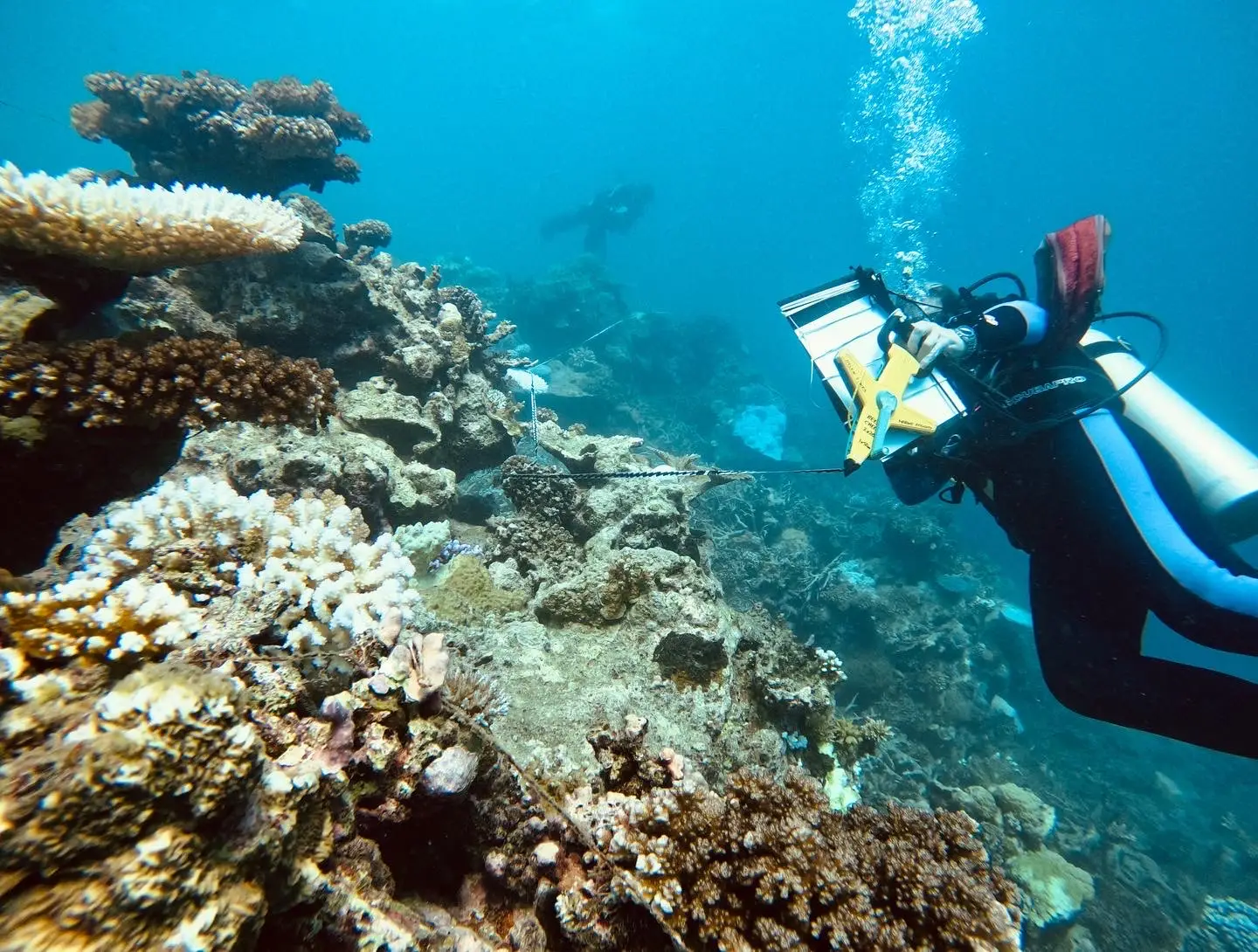
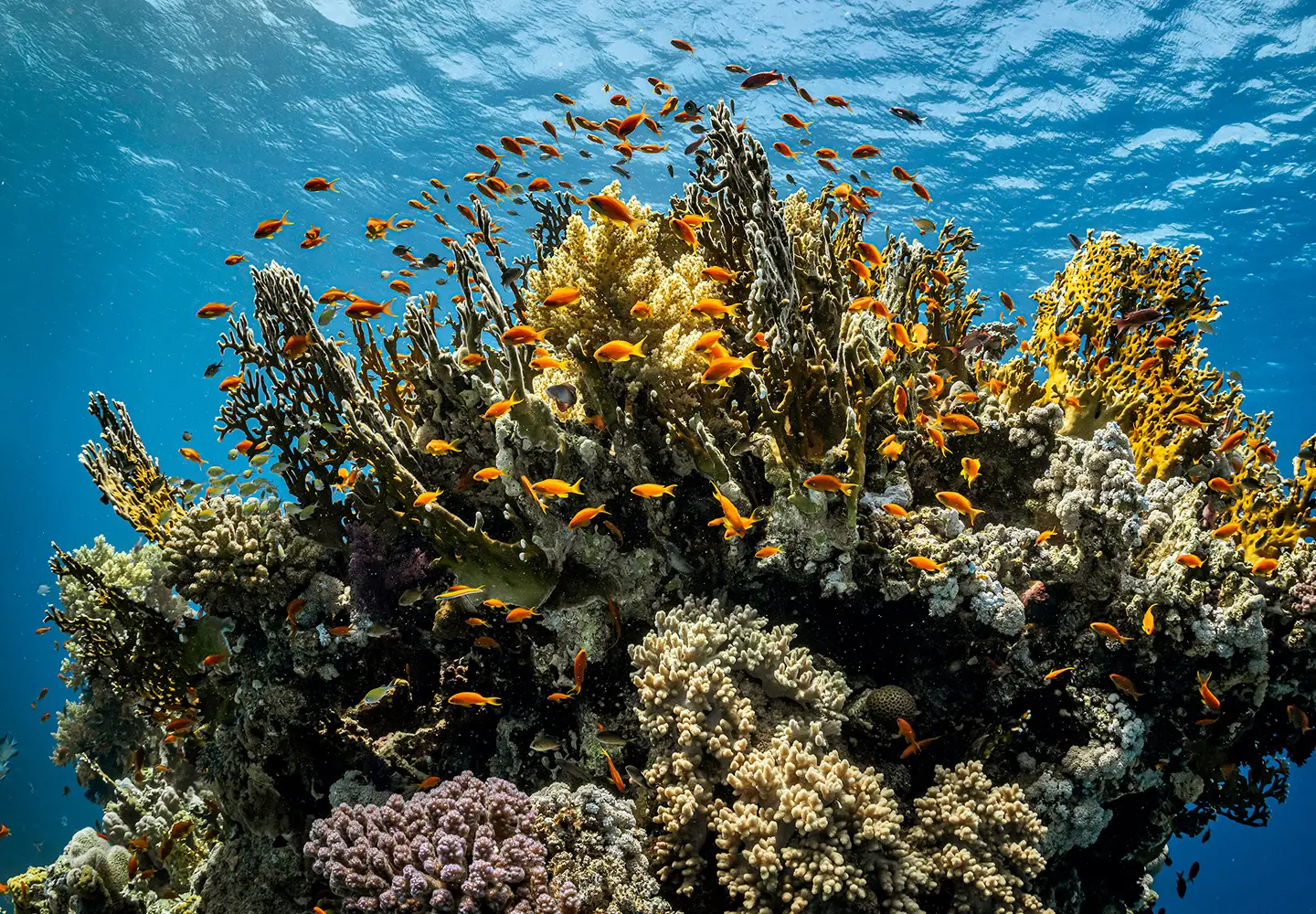
This crowdsourcing is already producing results in Fiji’s Shark Reef Marine Reserve. After increased poaching during the pandemic threatened local marine life, dive operator Beqa Adventure Divers received a PADI AWARE grant to assess the damage. Their comprehensive surveys now track targeted species such as groupers and snappers to produce indicators of the reef’s overall health, and support coral and giant clam restoration efforts in the MPA.
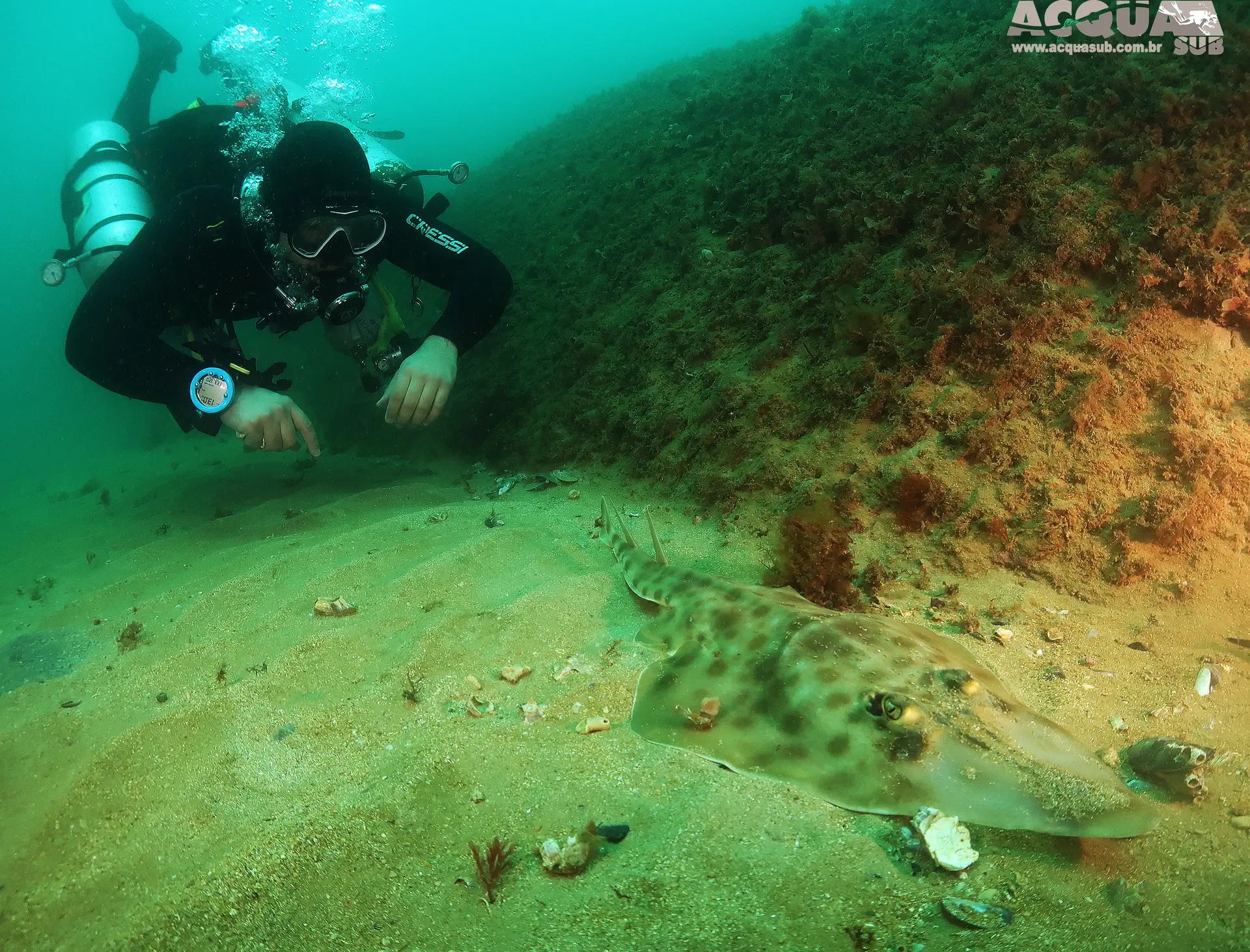
In Brazil, the Acqua Sub dive centre in Guarapari is using its grant to conduct field expeditions in the Setiba MPA. Their surveys combine scuba diving, freediving and remote monitoring to assess fish populations and seabed conditions. This flexible approach enables them to adapt their research as new challenges emerge.
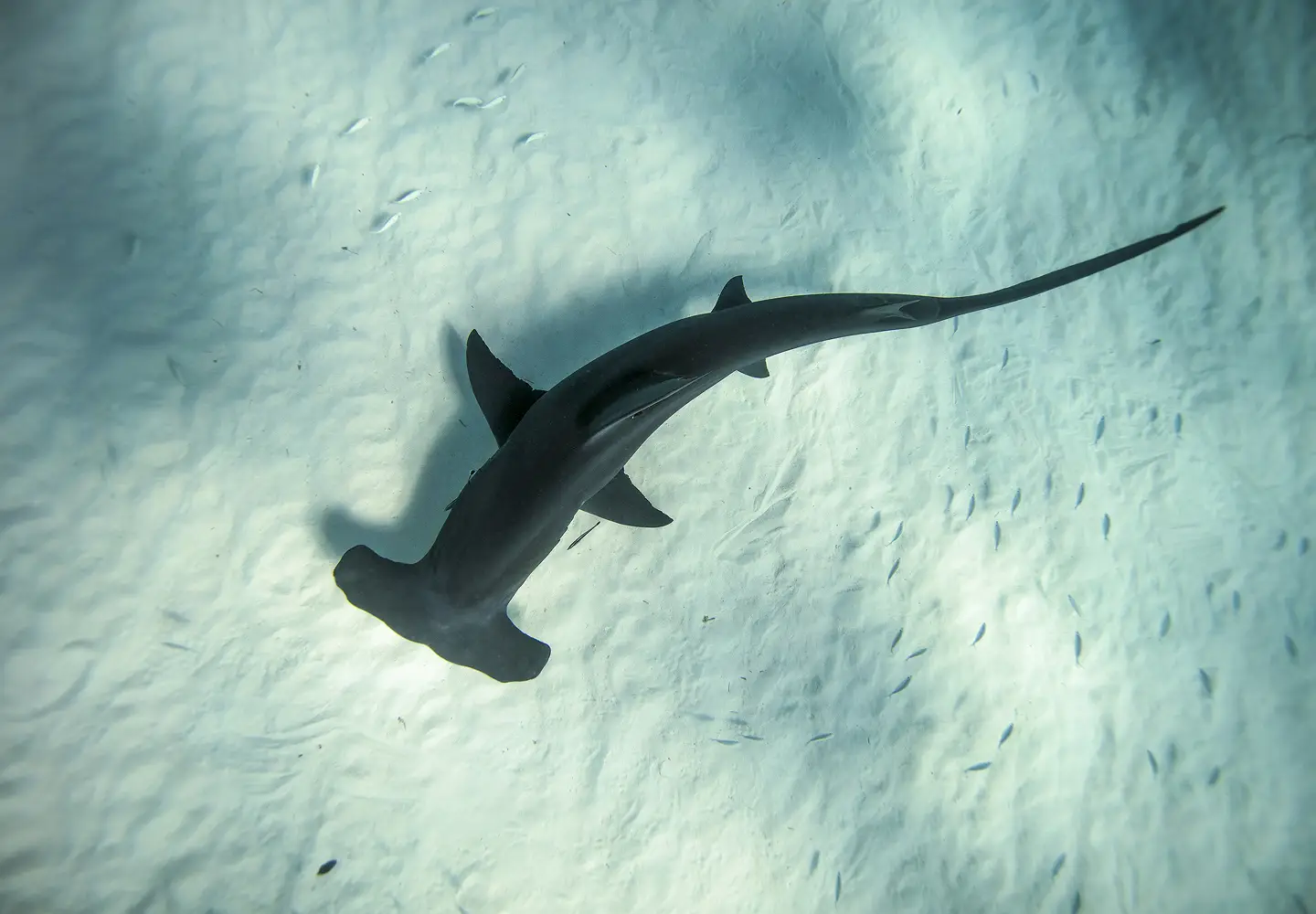
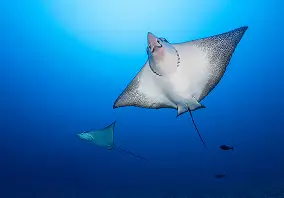
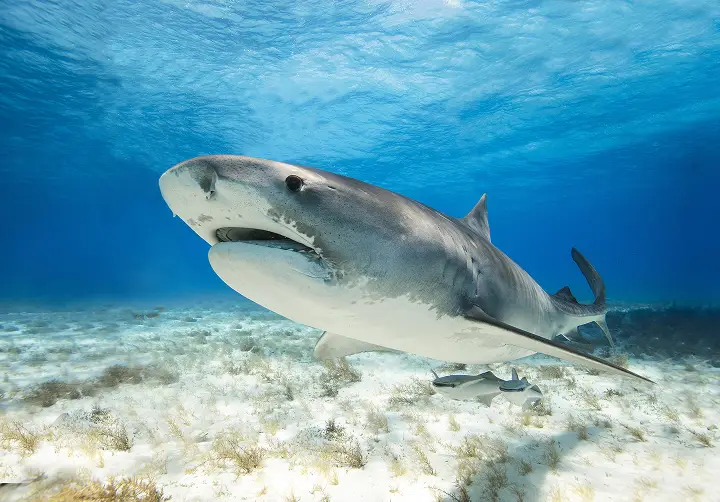
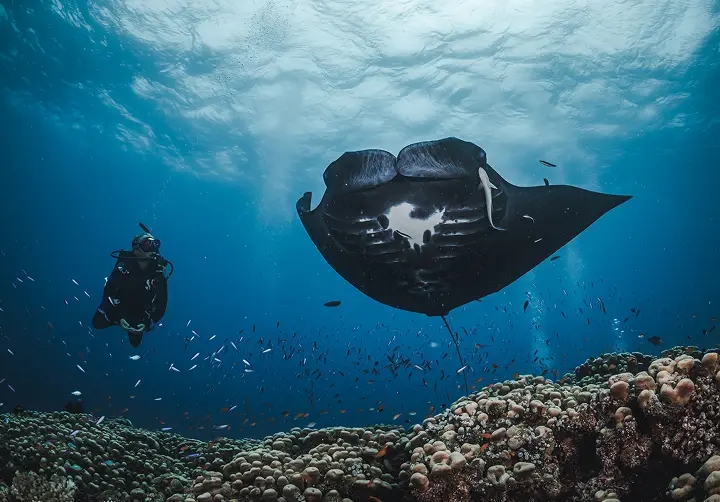
Building on this momentum, Adopt The Blue's Global Shark & Ray Census will fill a critical gap in assessing risks to marine life and the effectiveness of conservation efforts.
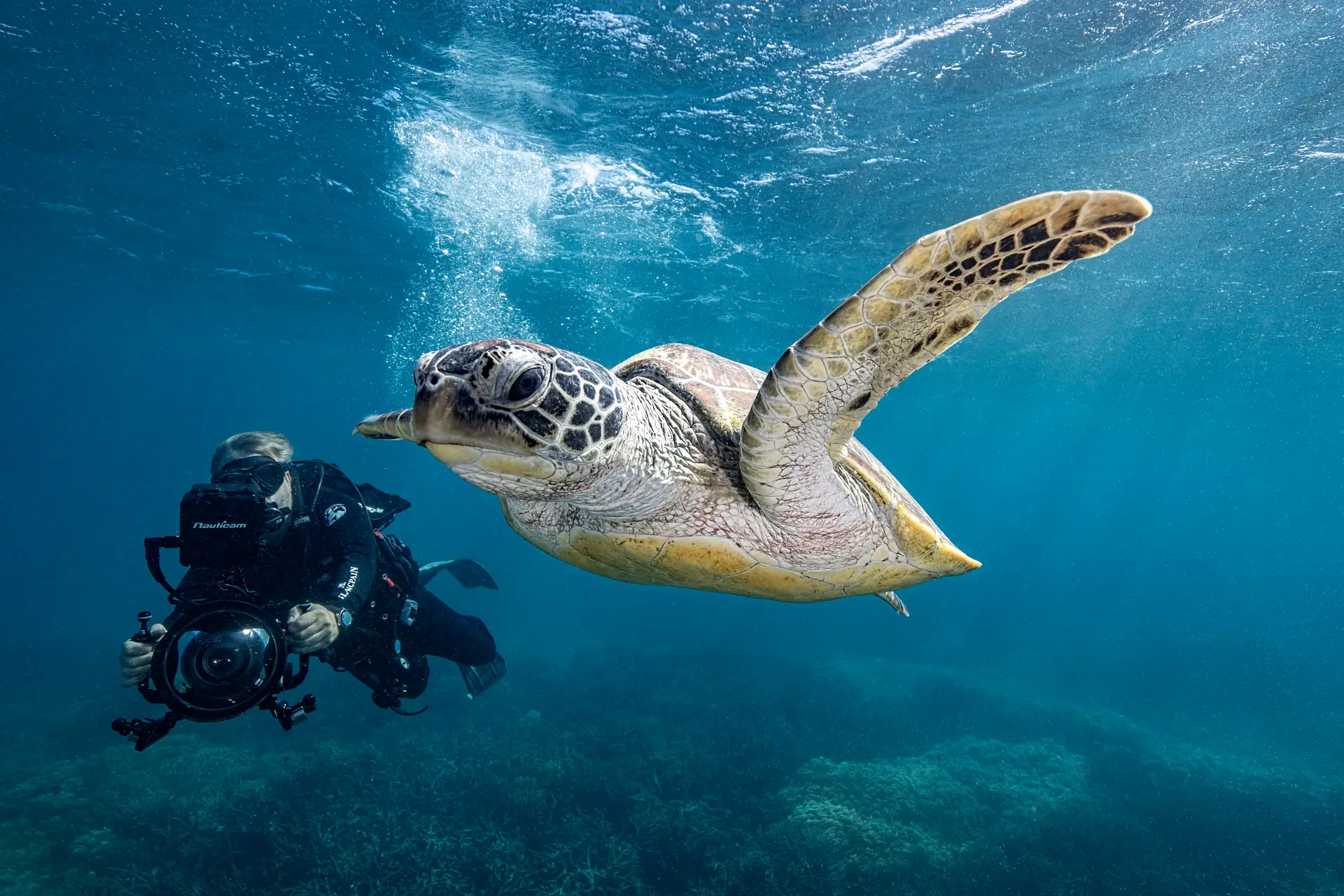
The census methodology is scientifically rigorous but still accessible. Both divers and non-divers can contribute by logging sightings and uploading photos for scientific verification. Each submission is reviewed by PADI AWARE and a panel of shark experts to ensure the data’s reliability for policymaking.
“For most of the world, we just don’t have long-term data on shark and ray populations. The census can tap into the dive logs and local knowledge of divers in places that may have never been surveyed, creating a global network of monitoring nodes. We may even uncover new species or range extensions that would otherwise remain hidden away on someone’s hard drive.”
Andrew Chin, director of the fish and fisheries lab at Australia’s James Cook University, which will lead validation efforts
Adopt the Blue’s responsive, scalable approach represents a new model for ocean conservation. With only a fraction of the oceans currently protected and the 2030 deadline looming, the initiative demonstrates how local, co-ordinated actions can spark progress and effect change, even when global targets seem out of reach. Its network can rapidly expand successful initiatives—whether reef monitoring in the Philippines or shark conservation in Fiji—by sharing methods and resources with professional and amateur divers worldwide.
Produced by El Studios for Blancpain
Photographs:
© Blancpain
© PADI
© Bequa Adventure Divers
© Acqua Sub